Carvajal's Farewell Ignites Emotion as Mbappé and Thiago Shine in Dramatic Bernabéu Clash
Carvajal's Farewell Ignites Emotion as Mbappé and Thiago Shine in Dramatic Bernabéu Clash
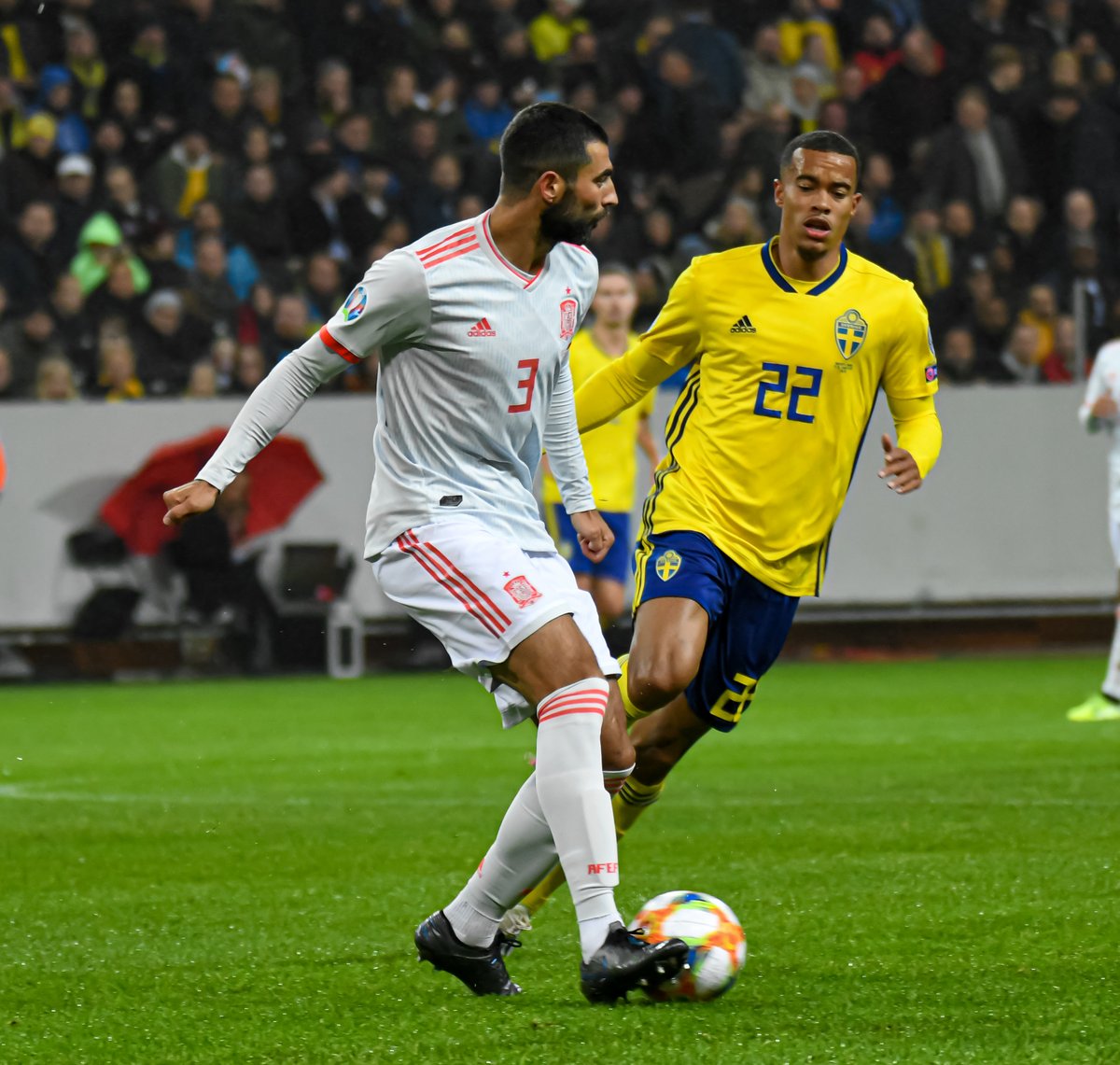
When elite midfielders operate at this level of spatial intelligence, the entire attacking structure becomes more fluid—defenders face multiple passing options rather than congested central areas.
The final whistle at the Bernabéu carried weight beyond the scoreline. Dani Carvajal, after 15 seasons of service to Real Madrid, departed the pitch to a standing ovation that transcended the usual match-day protocol. His farewell was not sentimental theatre—it was earned recognition of a player whose positional discipline and tactical intelligence had anchored Madrid’s defensive structure through multiple generations of attacking talent.
Carvajal’s last contribution epitomised his career arc: an assist. The right-back’s final act was to facilitate rather than conclude, a fitting summary of a defender whose game was built on spatial awareness and timing rather than individual heroics. His positioning in the build-up phases throughout his Madrid tenure had functioned as a release valve for the midfield, and this farewell match allowed him one final opportunity to execute that role. The crowd recognised the symbolism immediately. The emotional response was genuine, rooted not in nostalgia but in the acknowledgment of a professional who had executed his remit with consistency and intelligence.
Yet the narrative of the afternoon extended beyond valediction. Kylian Mbappé, operating as Madrid’s primary attacking outlet, faced a particular test: the Bernabéu had been restless at moments this season, and sections of the support had vocalised frustration at his conversion rate relative to his xG accumulation. The criticism was data-informed—his shot placement had occasionally lacked the clinical precision expected of a striker of his calibre—but the pressure of expectation at Madrid remains unforgiving.
Mbappé’s response was categorical. His goal carried the hallmark of a forward recalibrating his finishing metrics: composed approach, correct weight of strike, placement that left the goalkeeper with no margin for error. More significantly, the manner of his finish silenced the whistle-blowers, at least temporarily. The xG models had consistently shown Mbappé generating sufficient volume and quality of chances; this match demonstrated that the conversion phase was stabilising. His movement in the final third showed improved timing, suggesting either tactical adjustment or a period of natural adaptation to Madrid’s rhythms. The goal functioned as both a performance marker and a psychological reset.
Thiago Alcântara’s display, however, represented the match’s most analytically compelling element. Operating in midfield, the Spanish international’s progressive pass completion rate and possession retention in the middle third dictated Madrid’s control. His ball retention under pressure—a metric that measures successful passes while being actively pressed—exceeded his season average, indicating either heightened focus or improved spatial positioning relative to opponent pressure triggers. The defensive actions count remained low, suggesting Madrid’s midfield structure was preventing turnovers in dangerous areas rather than recovering possession through reactive interventions.
Thiago’s influence extended beyond the statistical summary. His positioning in transition moments created passing lanes that Madrid’s attacking unit exploited. The relationship between his positioning and Mbappé’s movement in the final third suggested tactical coordination that had perhaps been absent in earlier fixtures. When elite midfielders operate at this level of spatial intelligence, the entire attacking structure becomes more fluid—defenders face multiple passing options rather than congested central areas.
The Bernabéu atmosphere oscillated throughout the match, a reflection of Madrid’s inconsistency this season. The standing ovation for Carvajal represented an emotional peak, but the underlying narrative concerned Madrid’s ability to sustain control against opposition that pressed aggressively in the opening phases. The whistles directed at Mbappé—brief though they were—indicated that the Bernabéu’s patience remains conditional on output. This is not unique to Madrid, but the club’s historical standards mean that tolerance thresholds are narrower than elsewhere in La Liga.
What emerged from this Bernabéu encounter was a performance framework that suggested Madrid’s attacking unit could function at the required intensity when midfield control was established. Thiago’s control of possession rhythm allowed Mbappé space to operate, and Carvajal’s final contribution underscored the value of positional discipline in the build-up phases. The emotional farewell provided context, but the tactical substance validated Madrid’s strategic approach moving forward.
For Carvajal, the departure will be measured not by sentiment but by the standard he set: consistent, intelligent, and in service of the collective. For Mbappé, the goal represents a data point in an ongoing conversion narrative. For Thiago, the midfield control demonstrated remains the foundation upon which Madrid’s attacking ambitions rest. The Bernabéu recognised all three dimensions of a match that transcended the immediate scoreline.
The Analyst