Marrero's Saves Mask Espanyol's Structural Decay in Stalemate
Ni Marrero's Heroics Highlight Espanyol's Season Struggles in Draw Against Óskarsson's Side
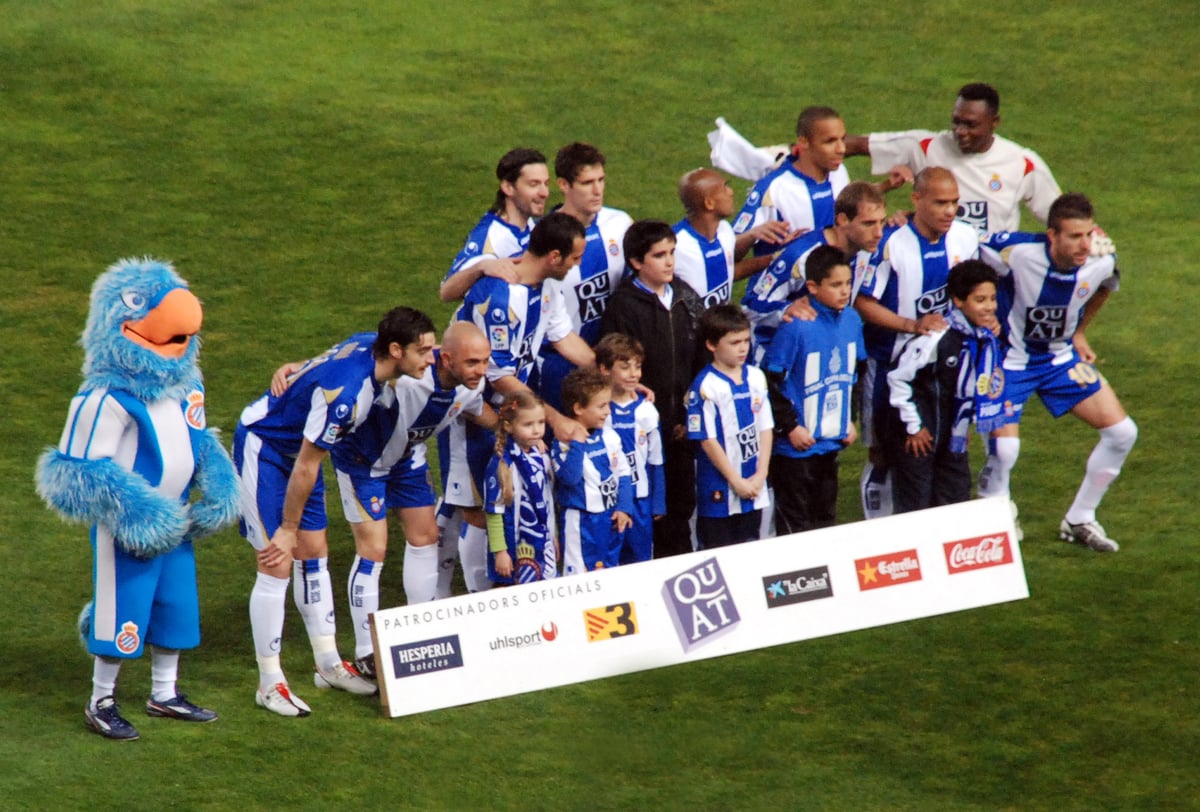
A goalkeeper of Marrero's technical standard might preserve results in isolated matches, but structural deficiency in midfield press intensity and forward positioning efficiency will continue to generate unsustainable save requirements.
Espanyol’s 1–1 draw against Óskarsson’s side on the final day of the season encapsulated the club’s campaign in microcosm: individual moments of excellence suffocated by collective underperformance. Ni Marrero, the goalkeeper who has carried Espanyol’s cup ambitions through the season, delivered another commanding display between the posts, yet even his heroics could not elevate a performance that reflected deeper structural issues within the squad.
The match itself was liberated from the tension that typically defines final-day football. Neither side entered with something fundamental at stake—no relegation battle, no title race—and that absence of pressure manifested in loose, occasionally disjointed football. Óskarsson opened the scoring, and Roberto equalized, but these moments felt almost incidental to the broader narrative. What mattered was what unfolded in front of goal, where Marrero emerged as the decisive figure.
Marrero’s performance was not merely competent; it was exemplary. The Basque goalkeeper made several interventions of genuine technical quality, positioning himself with precision and executing saves that demanded both athleticism and composure. His distribution was measured, his command of the box assured. In a side that has struggled to find consistency across multiple positions, Marrero has become a genuine point of stability—the kind of player whose presence alone shifts the tactical balance slightly in Espanyol’s favor. This is precisely the profile of goalkeeper performance that typically warrants extended contract discussions and central defensive investment around him.
Yet Marrero’s individual excellence raises a disquieting question for Espanyol’s trajectory. When a goalkeeper must repeatedly bail out his team, it signals that the architecture in front of him requires reinforcement. The ovations directed at Romero and Manolo—likely departing figures—suggest a squad in transition. The applause itself was backward-looking, acknowledging service rather than celebrating current contribution. This is the sound of a club managing decline rather than building momentum.
Espanyol’s season has been marked by inconsistency at precisely the positions where consistency matters most. The midfield has lacked the defensive solidity necessary to shield the back line; the forward line has been profligate in front of goal. Marrero has papered over these cracks with his shot-stopping and distribution, but goalkeeping excellence cannot compensate for systemic deficiencies. The final-day draw, in which Espanyol conceded despite Marrero’s interventions, illustrates this asymmetry clearly.
From a structural standpoint, Espanyol’s campaign reflects a squad caught between ambitions. Cup performances—where Marrero has been instrumental—suggest capability at a certain level, yet league consistency has remained elusive. The club’s recruitment will determine whether next season represents genuine progress or continued stagnation. Investing defensive depth and midfield control around Marrero’s goalkeeping would represent a coherent strategy. Failing to do so would constitute an abdication of the platform he has provided.
The final whistle brought relief rather than celebration. Marrero’s performance deserved better. His individual standard has been maintained throughout a season when collective standards have dipped. As Espanyol enters the off-season, the question is not whether Marrero can continue to perform at this level—the data suggests he can—but whether the club will build a structure worthy of his contributions. Without that investment, even the finest individual performances will remain isolated moments of excellence in a season defined by underachievement.
The Analyst