Tactical Masterclass: Girona Dominates Elche with Strategic Brilliance
Tactical Masterclass: Girona Dominates Elche with Strategic Brilliance
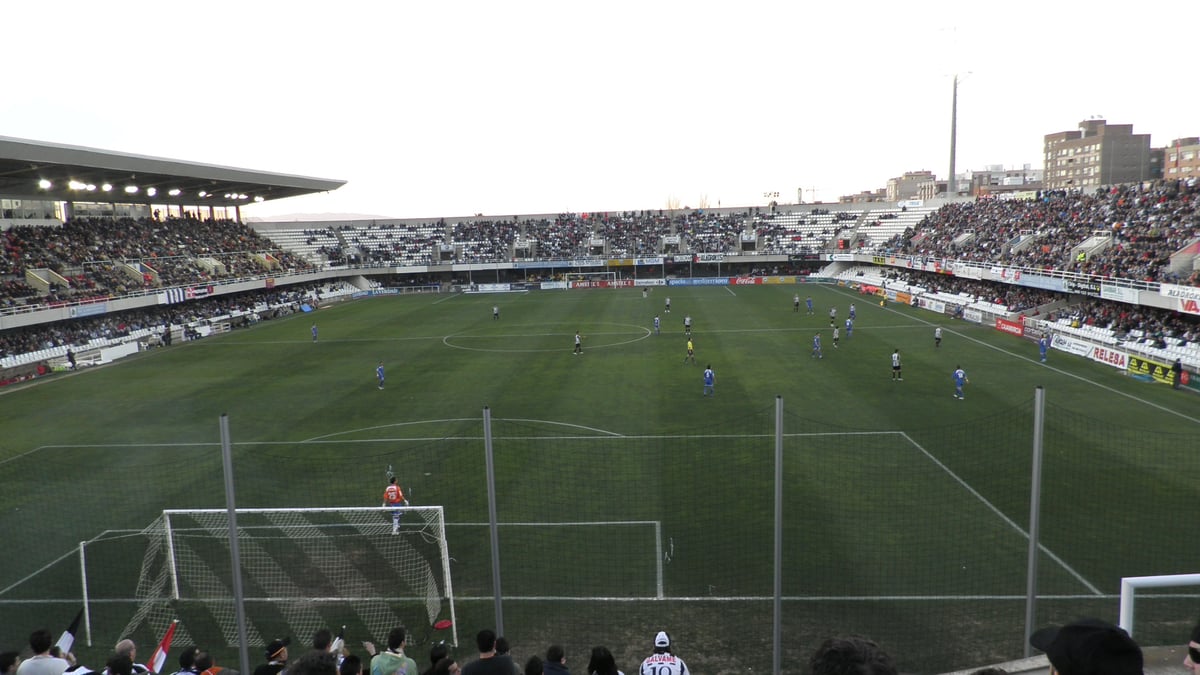
Girona's pressing system—high intensity but strategically positioned—creates conditions where opponents cannot sustain possession or generate quality chances.
Girona’s victory over Elche on May 23, 2026, represented more than a three-point collection in the final stretch of the La Liga season. The match exposed fundamental tactical differences between two teams operating at divergent levels of structural sophistication, with Girona’s positional dominance and pressing intensity creating a chasm that Elche could neither bridge nor exploit.
From the opening exchanges, Girona’s pressing structure dictated the tempo. Operating in a 4-3-3 formation with aggressive fullback positioning, Girona compressed passing lanes in the middle third and forced Elche into long, inefficient build sequences. Elche’s attempts to progress the ball through their center-backs met immediate pressure from Girona’s forward line, which worked in coordinated pairs to cut off central passing options. This wasn’t reactive defending—it was proactive spatial control.
The critical tactical battle centered on Girona’s ability to transition possession into attacking sequences within eight seconds of winning the ball. Elche’s midfield, tasked with both defensive responsibility and creative output, became stretched between covering defensive ground and supporting attacking movements. When Girona won possession in advanced areas, their movement patterns exploited the gaps left by Elche’s transitional disorganization. The fullbacks pushed high, creating overloads on the flanks, while the midfield three maintained compactness to prevent counter-attacks.
Elche’s defensive shape, a 4-4-2 with narrow positioning, proved vulnerable to Girona’s width. Rather than engaging Girona’s fullbacks directly, Elche’s wingers dropped deep to cover defensive responsibilities, surrendering the touchline and allowing Girona’s wide players to operate in space. This defensive passivity invited repeated crosses and cutback opportunities. Girona’s xG accumulation reflected this tactical advantage—their shots originated predominantly from high-quality positions generated through wide play and short-range finishing opportunities.
The midfield contest revealed another layer of tactical sophistication. Girona’s central three operated with clear positional responsibilities: one player maintaining defensive cover, two others rotating between box-to-box and attacking midfielder roles. This fluidity allowed Girona to outnumber Elche in key areas while maintaining defensive solidity. Elche’s midfield, by contrast, operated more rigidly, with limited positional rotation and predictable passing patterns. Girona’s pressing triggers—particularly pressing when Elche’s center-backs received the ball—forced rushed decisions and turnovers in dangerous areas.
Individual performances reinforced these structural advantages. Girona’s forward line demonstrated the kind of pressing discipline and positional awareness that separates elite sides from mid-table operators. Their triggers were synchronized; pressing moments occurred simultaneously across the front line, preventing Elche from finding escape passes through vertical or horizontal channels. Elche’s attackers, meanwhile, offered minimal pressing resistance, allowing Girona’s defenders to progress the ball cleanly into midfield.
The implications for both teams’ final standings are significant. Girona’s display confirmed their capacity to control matches through tactical design rather than individual brilliance. They limited Elche to low-value shooting opportunities while generating consistent, repeatable attacking sequences. This efficiency suggests Girona’s position in the table reflects genuine structural superiority rather than variance. Elche, conversely, offered little evidence of tactical adjustment or adaptation. Their inability to disrupt Girona’s pressing structure or exploit the spaces vacated by Girona’s attacking fullbacks indicated either limited preparation or insufficient personnel to execute a coherent counter-strategy.
The match served as a masterclass in modern La Liga football—not in the dramatic sense of late winners or individual heroics, but in the methodical, data-driven application of positional principles. Girona’s coaching staff identified Elche’s structural weaknesses and constructed a system to exploit them systematically. Elche’s inability to recognize and counter these patterns underscored the competitive gap between aspirational and established sides in the final weeks of the season. The result, ultimately, reflected the quality of tactical preparation and structural execution rather than fortune or individual moments of inspiration.
The Analyst