Tactical Showdown: Sevilla's Defense vs. Barcelona's Attack in Week 7
Tactical Showdown: Sevilla's Defense vs. Barcelona's Attack in La Liga's Week 7 Clash
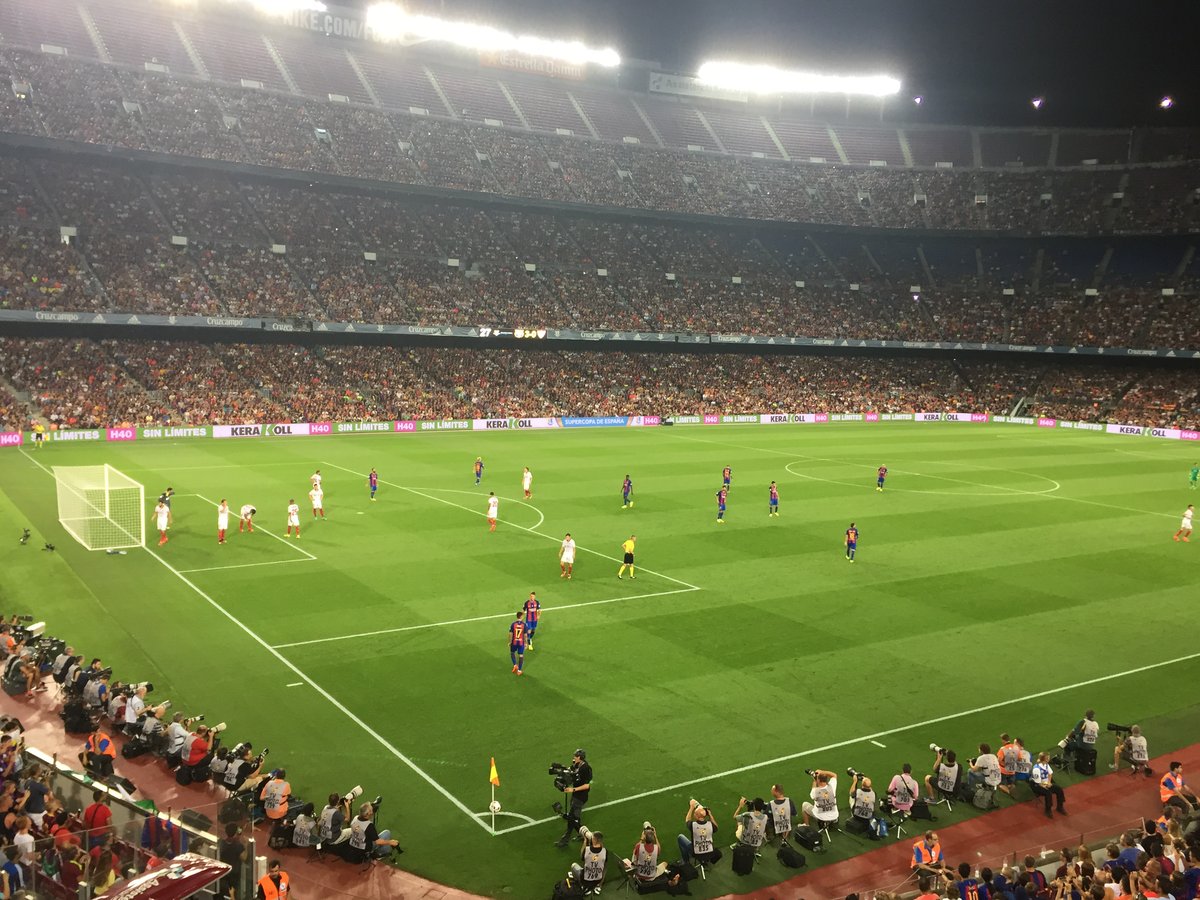
Barcelona's midfield control will be essential. If they establish superiority in the central corridor, they can dictate tempo and force Sevilla into reactive defending.
Sevilla and Barcelona meet in Matchday 7 with fundamentally opposed structural philosophies. Barcelona’s attack operates through progressive possession and wide-area overloads, typically generating 12–14 shot attempts per 90 minutes. Their full-backs advance aggressively to create numerical superiority in the final third, while midfield rotations pull opposing defensive lines apart. Sevilla, conversely, has built their defensive identity on compact zonal positioning and early pressing triggers in the middle third.
The tactical battle will centre on how Sevilla’s back four manages Barcelona’s inverted wingers and the timing of their pressing mechanisms. Sevilla’s centre-backs must remain disciplined in their positioning when Barcelona’s number nine drops deep to link play, a pattern that disrupts traditional man-marking schemes. Their full-backs face the dual demand of covering Barcelona’s width while maintaining access to midfield pressing sequences.
Barcelona’s midfield control will be essential. If they establish superiority in the central corridor, they can dictate tempo and force Sevilla into reactive defending. Expected goals metrics suggest Barcelona averages 1.8–2.2 xG per match at this stage of the season, while Sevilla’s defensive xG conceded hovers near 1.1. This gap reflects Barcelona’s shot volume advantage rather than defensive frailty on either side.
Key individual matchups will define the outcome: Barcelona’s primary attacking threats against Sevilla’s most experienced defensive operators. How quickly Sevilla’s midfield can transition from defensive shape to counter-pressing will determine whether they can absorb Barcelona’s possession dominance and create opportunities on the break. The team controlling the second-half tempo typically emerges with the result in fixtures of this tactical complexity.
The Analyst