30,000 Strong: Sevilla FC Fans Demand Change in Historic Protest
30,000 Strong: Sevilla FC Fans Demand Change in Historic Protest
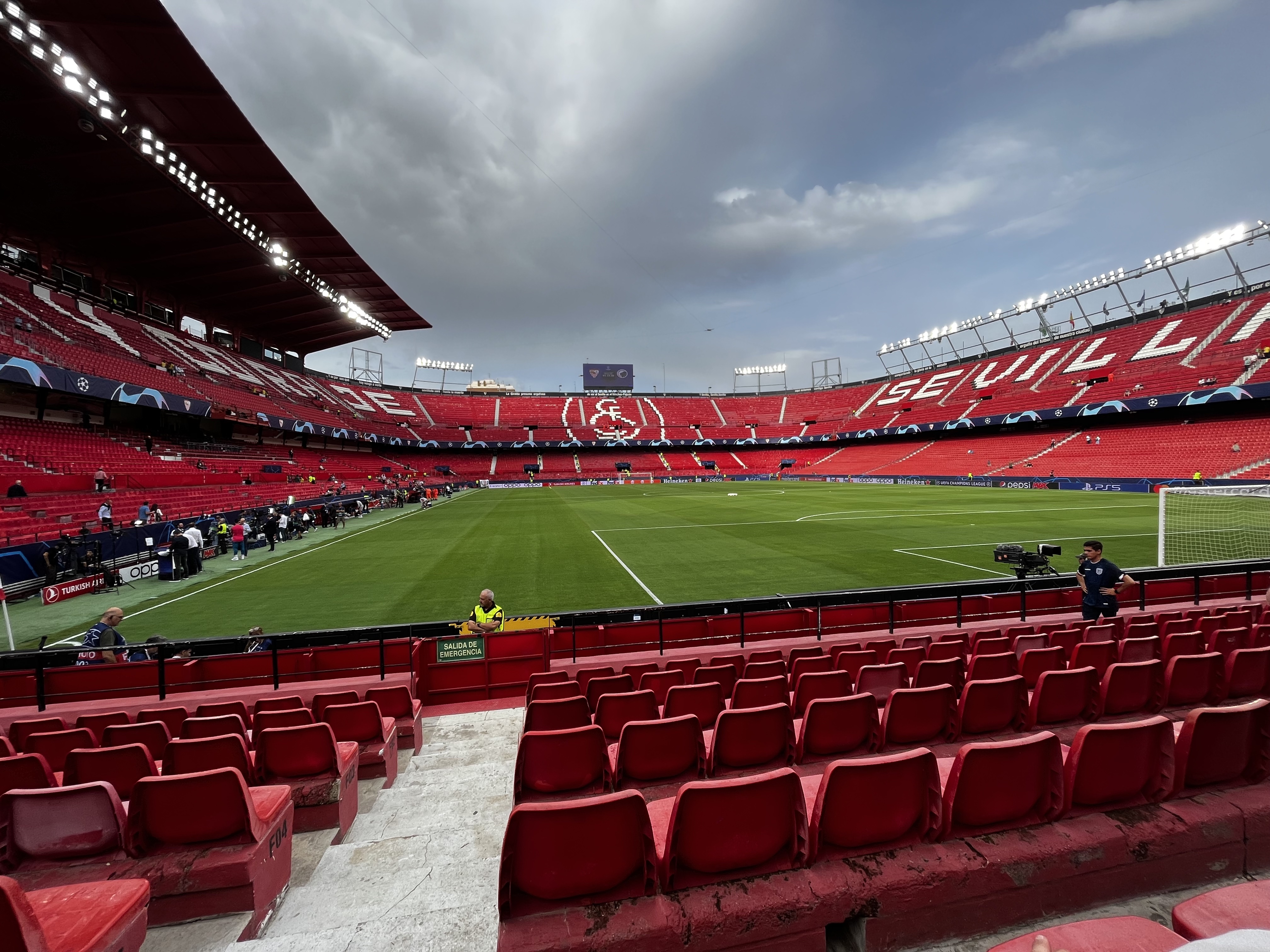
When 30,000 voices speak in unison at Sevilla, institutional power trembles.
On a day that will be remembered as a watershed moment for Sevilla FC, over 30,000 supporters took to the streets demanding the immediate resignation of the club’s board of directors. The scale and intensity of the demonstration underscored a crisis that has moved far beyond typical fan frustration—this is an existential reckoning for one of Spanish football’s most storied institutions.
The catalyst was the catastrophic collapse of the club’s sale. After months of negotiations that promised a fresh start and financial stability, the deal fell through, leaving Sevilla in administrative limbo and the fanbase in open revolt. For a club that has won five Europa League titles and shaped generations of Spanish football, the humiliation cut deep.
What distinguishes this mobilization from routine protests is its clarity of purpose and democratic weight. The sevillismo—that fierce, uncompromising identity that defines the Sevilla supporter—has unified across all factions with a singular demand: the current leadership must go. The board’s mismanagement, the failed negotiations, the lack of transparency—these are not abstract grievances but existential threats to a club’s survival.
The implications are profound. When 30,000 voices speak in unison at Sevilla, institutional power trembles. This is not merely about personnel changes; it is about reclaiming the club’s soul from those who have squandered its legacy. The board faces a choice: step aside voluntarily or face a prolonged conflict that could destabilize the club further.
For La Liga, Sevilla’s crisis is a cautionary tale. Financial mismanagement and boardroom incompetence can topple even the mightiest institutions. The coming weeks will determine whether the sevillismo’s voice translates into action, and whether Sevilla can rebuild from the ashes of this historic moment.
El Hincha