Braulio Vázquez Backs Valencia's Vision: 'I Believe in What the Club Stands For'
Braulio Vázquez Backs Valencia’s Vision: ‘I Believe in What the Club Stands For’
In La Liga's ruthless middle ground, that's not failure. It's the only strategy that works.
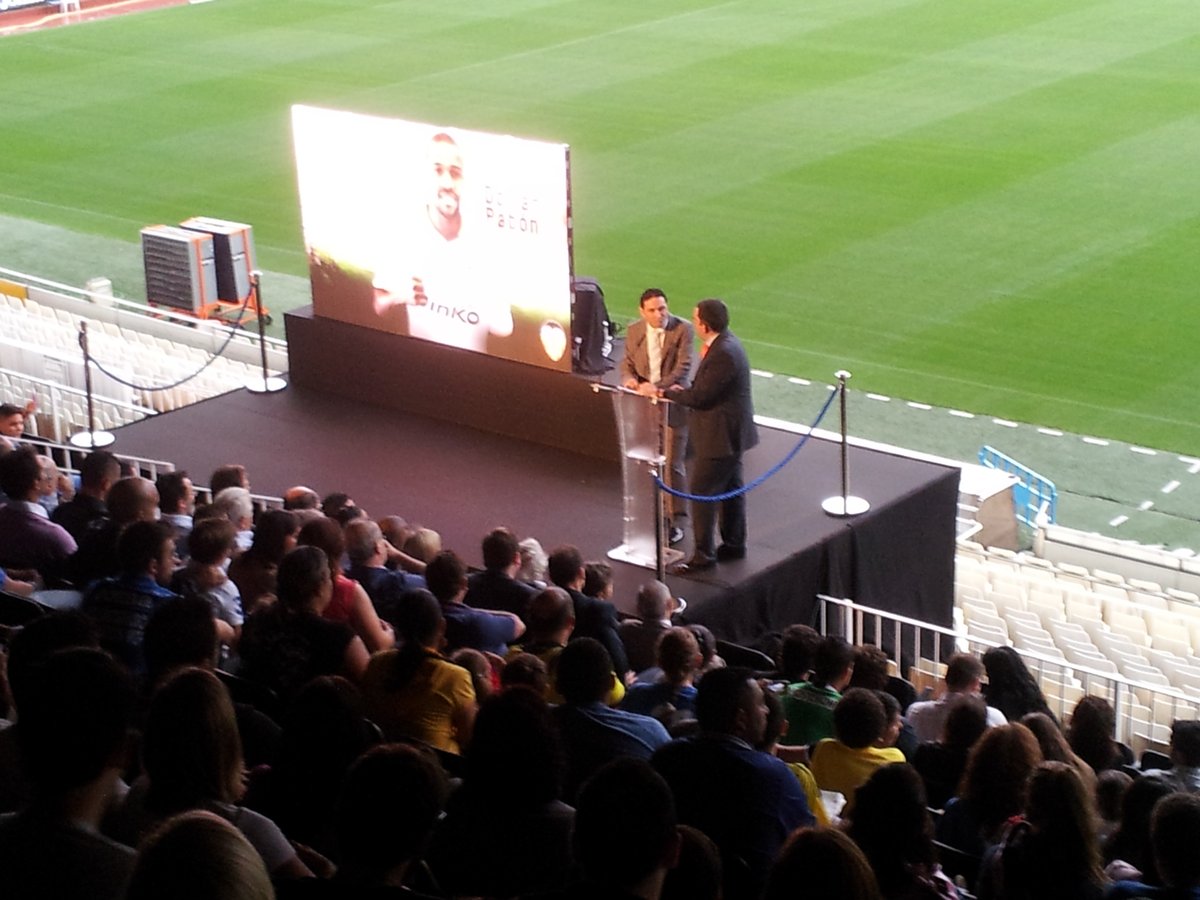
Braulio Vázquez has emerged as the public face of Valencia’s fresh start, and his words carry weight. Days after closing the Javier Aguirre appointment, the sporting director presented himself to the Valencianista faithful with a declaration of faith that goes beyond the usual boardroom platitudes. “I believe in what the club has told me,” he said—a statement that, in the fractured context of recent Valencia history, feels almost revolutionary.
The appointment of Aguirre represents a shift in strategy and philosophy. Where previous regimes lurched between panic and inertia, there is now a coherent project taking shape. Vázquez’s confidence isn’t misplaced optimism; it reflects a genuine alignment between the sporting vision and the resources being committed. The Mexican manager arrives with pedigree, tactical intelligence, and experience in high-pressure environments—exactly what a club of Valencia’s stature requires.
What matters now is execution. La Liga’s title race is tightening, and while Valencia cannot match Real Madrid or Barcelona in spending power, they can compete through smart recruitment and tactical discipline. Vázquez’s public backing of the club’s direction signals internal stability at a moment when Valencia desperately needed it. The market window has closed, the squad is set, and the message from the hierarchy is unified.
For the supporters—long-suffering through administrative chaos and managerial revolving doors—this moment represents a genuine turning point. Vázquez’s belief isn’t just rhetoric; it’s a commitment to the process. If Valencia can sustain this coherence through the season’s critical phases, they’ll prove that stability, not spending, can be the foundation for challenging the established order.
El Hincha