Getafe Gears Up for Life After Bordalás: Player Renewals Hang in the Balance
Getafe Gears Up for Life After Bordalás: Player Renewals Hang in the Balance
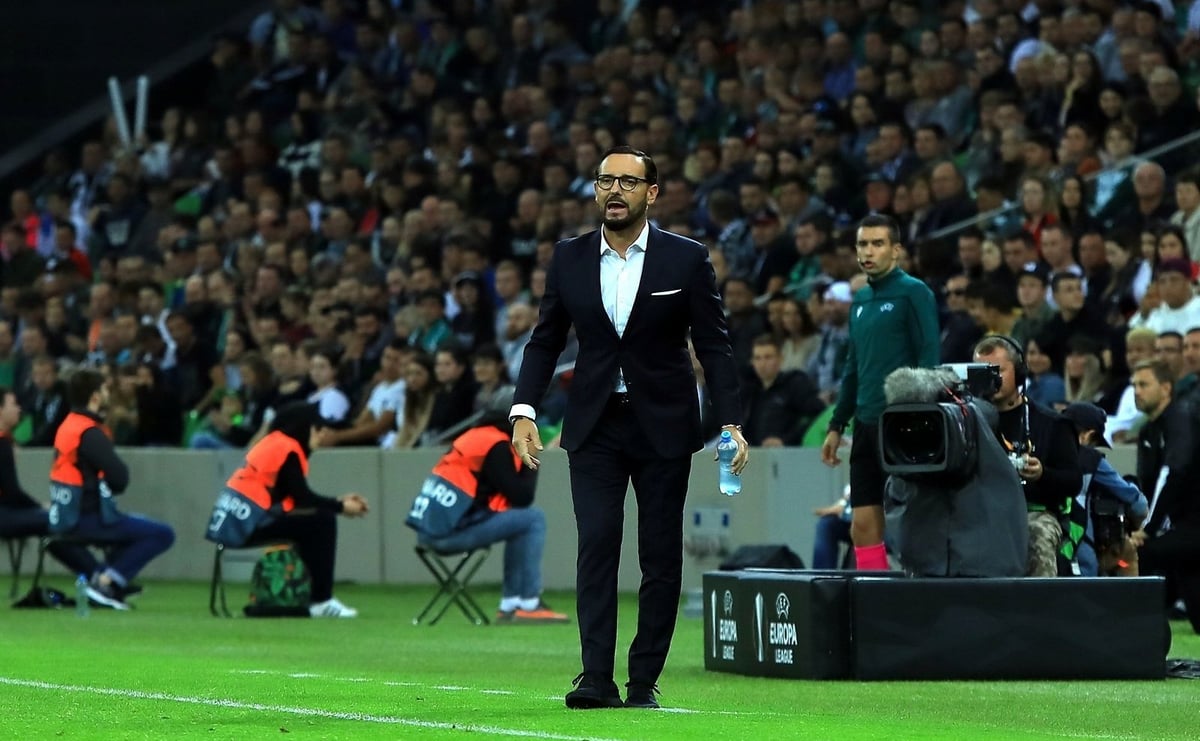
He was not merely a coach; he was the identity of this team.
The Getafe chapter under José Bordalás has closed. After years of building a defensive fortress in the Spanish capital, the Alicante-born tactician has departed, leaving the azulón club at a crossroads as it prepares for the 2026–27 season. The uncertainty is palpable, and it extends far beyond the technical bench.
Bordalás’s tenure represented a particular brand of La Liga football—pragmatic, organized, and often infuriating for opponents. His teams were compact, disciplined, and capable of grinding out results against bigger names through sheer tactical discipline. That identity, however, was inseparable from the man himself. Now Getafe must navigate a transition that touches every layer of the club’s structure, from coaching philosophy to squad composition.
The immediate concern is not just finding a replacement manager, but retaining the players who made Bordalás’s system function. Two figures stand at the center of this puzzle: Djené Dakonam and Nyom Bolong, both defensive cornerstones who embodied the club’s no-nonsense approach to football. These are not glamorous names in the European spotlight, but they are the sinews that held Getafe’s backline together. Without them, the entire foundation crumbles.
Djené, in particular, represents continuity and leadership. A center-back who has become synonymous with Getafe’s defensive identity, his renewal is not merely a contractual matter—it is a statement about the club’s ambitions and stability during transition. Nyom, the dependable full-back, offers similar symbolic weight. Both players could command interest elsewhere, especially if uncertainty clouds Getafe’s future direction. In a market where confidence matters, hesitation invites poaching.
The timing is brutal. Getafe sits in a precarious position within La Liga’s hierarchy. They are not rich enough to absorb significant departures through the transfer market, nor are they prestigious enough to guarantee that departing players will be replaced with equivalent talent. The club’s business model has always relied on overperformance—extracting more value from modest resources than seemed possible. That formula required stability, and stability required Bordalás. Now both are gone.
What compounds the difficulty is that Getafe cannot afford a prolonged search for a new manager. The pre-season window is already compressed, and every week without clear direction is a week lost in preparation and squad planning. A new coach will have his own ideas about tactical formation, player roles, and squad priorities. If that coach arrives late, or if key renewals remain unresolved, Getafe could stumble into the new season unprepared.
The club’s hierarchy must act with rare clarity. First, secure Djené and Nyom before the market senses vulnerability. These are not players who will break the wage structure, but they are players whose departure would require expensive replacements. Better to commit now than scramble later. Second, identify a manager whose philosophy can adapt to Getafe’s constraints while maintaining the defensive solidity that has defined the club. This is not the moment for radical reinvention; it is the moment for intelligent continuity.
There is also the broader question of ambition. Has Getafe’s experiment with sustained mid-table respectability reached its ceiling? Under Bordalás, the club achieved a certain equilibrium—safe from relegation, unreachable from Europe. That equilibrium was comfortable but uninspiring. A new era could be an opportunity to push higher, to build something with greater scope. But that requires resources, investment, and a willingness to take risks. Does Getafe’s ownership have that appetite?
The departure of Bordalás is not a tragedy; it is a natural evolution. No manager is eternal, and even the best systems eventually require refreshment. But it is a moment of genuine vulnerability. Getafe must move decisively to protect its core assets, establish new leadership, and communicate a coherent vision for the future. The club that plays the administrative game poorly over the next few weeks could find itself fighting relegation by October. The club that acts with purpose and decisiveness could emerge stronger.
The ball is in motion. The question now is whether Getafe’s leadership can keep up with it.
El Hincha