Homegrown Talent: The Rise and Fall of Spanish Coaches in La Liga
Homegrown Talent: The Rise and Fall of Spanish Coaches in La Liga
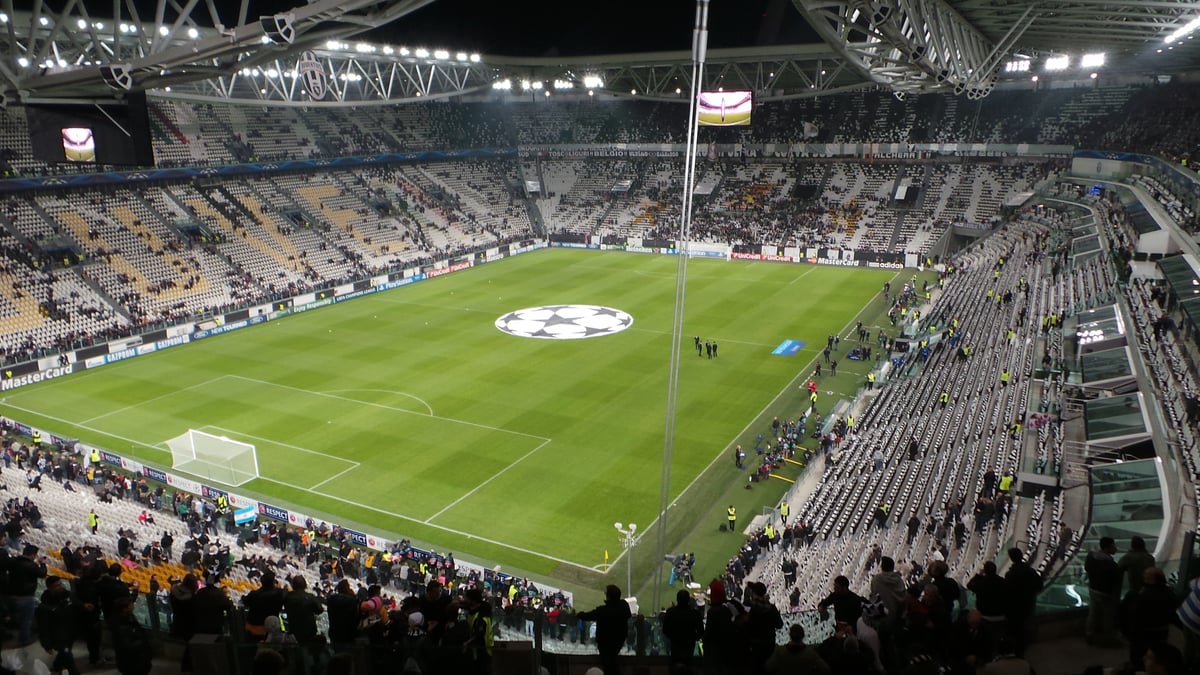
When elite clubs consistently bypass local talent, the message filters down through the pyramid: Spanish football's problems are solved elsewhere.
La Liga stands at a crossroads. Walk through the technical areas this season and you’ll hear as many foreign accents as Spanish ones—a shift that cuts deeper than mere statistics. The paradox is real: Spanish football produced some of Europe’s greatest tactical minds, yet increasingly, La Liga’s biggest clubs reach for foreign solutions when the pressure mounts.
The numbers tell part of the story. Real Madrid, Barcelona, and Atlético Madrid have all cycled through international appointments in recent years, each time signaling a lack of faith in homegrown alternatives. When Barcelona turned to their latest foreign coach, it wasn’t just a personnel decision—it was a statement that Spanish football’s institutional knowledge no longer guaranteed success at the elite level.
Yet this narrative oversimplifies. The issue isn’t that Spanish coaches lack quality; it’s that La Liga’s financial and structural realities have shifted. Owners now think globally, recruitment committees demand international pedigree, and the pressure to deliver immediate results favors coaches with established track records abroad. A promising Spanish tactician faces a steeper climb than a foreign name with Champions League credentials.
What’s troubling is the cultural erosion. Spanish football’s identity has always rested on developing its own—from academy systems to coaching education. When elite clubs consistently bypass local talent, the message filters down through the pyramid: Spanish football’s problems are solved elsewhere.
This season will test whether that logic holds. The answer matters not just for individual careers, but for whether La Liga remains a breeding ground for tactical innovation or becomes merely another market where global capital dictates outcomes.
El Hincha