La Liga's Transfer Shuffle: Carvajal's Exit and Moriba's Aston Villa Interest Spark Major Moves
La Liga's Transfer Shuffle: Carvajal's Exit and Moriba's Aston Villa Interest Spark Major Moves
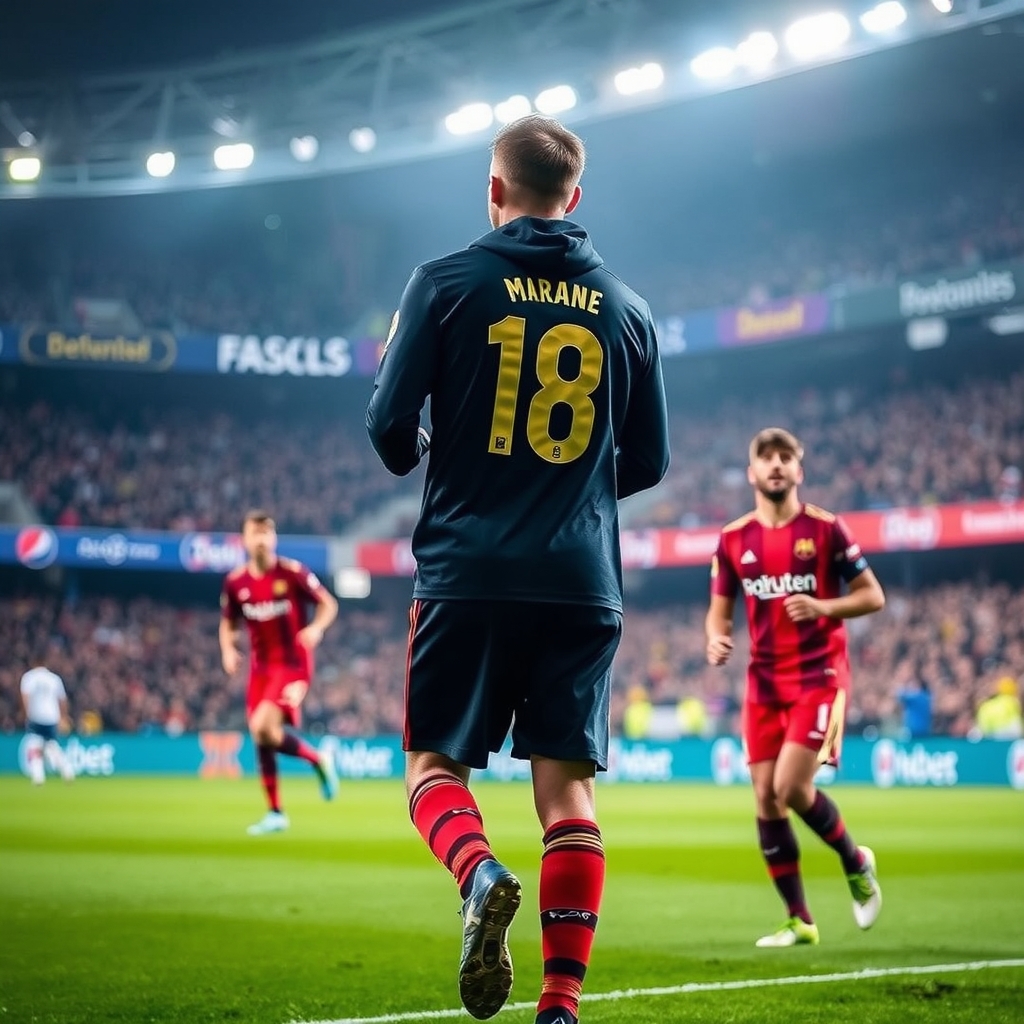
As the 2025-26 La Liga season draws to a close, the Spanish top flight stands at an inflection point. The departure of established figures and the emergence of fresh opportunities signal a summer of significant restructuring across the league’s major clubs. The shifts occurring now will reshape tactical approaches, squad compositions, and competitive hierarchies for seasons to come.
Dani Carvajal’s exit from Real Madrid represents the most symbolic moment in this transition. The right-back, who has served as captain and cornerstone of Madrid’s defensive architecture, will leave the club at season’s end after years of consistent excellence. His departure marks the end of an era for the Spanish giants. Carvajal’s role extended far beyond his defensive responsibilities; he functioned as a leader in the dressing room and a stabilizing presence in moments of pressure. The emotional weight of his farewell has resonated throughout La Liga, underscoring how individual departures can ripple across the entire competitive landscape.
Madrid faces an immediate challenge in replacing Carvajal’s experience and tactical intelligence. The club’s recruitment team, working under tight timelines, has begun evaluating candidates to fill the void. Sources indicate that solutions are being actively pursued, with Real Madrid determined to secure a signing that strengthens rather than merely maintains their current level. The urgency reflects the club’s understanding that Carvajal’s absence cannot be treated as a minor adjustment—it requires strategic acquisition.
Elsewhere, the midfield market is heating up with genuine competitive intensity. Aston Villa, under Unai Emery’s direction, has prepared substantial financial resources to pursue Celta Vigo’s Gómez Moriba. The English club’s willingness to invest 20 million euros plus performance-related variables demonstrates the premium placed on the Spanish midfielder’s profile. Brighton has also entered the conversation, creating a bidding scenario that will test Celta’s resolve. Moriba’s potential departure would represent a significant loss for the Galician club, particularly given their recent European qualification under Claudio Giráldez’s stewardship. The EuroCelta 2.0 project—Celta’s second major European campaign in their centennial history—could be undermined by the loss of such a key tactical component.
Barcelona has moved decisively to secure continuity at the managerial level. Hansi Flick’s contract extension through 2028, with an option to continue until 2029, represents a clear statement of intent. The German coach’s arrival has yielded five titles in two years, a return that justifies the club’s commitment to stability. This decision contrasts sharply with the uncertainty affecting other clubs and provides Barcelona with a foundation upon which to build summer recruitment plans.
Institutional turbulence at Sevilla adds another layer of complexity to the transfer landscape. Jorge Marín’s departure from his role as a key administrator reflects deeper disagreements within the club’s governance structure, coinciding with the controversial signing of Sergio Ramos. These internal frictions often precede broader squad restructuring and can hamper a club’s ability to move decisively in the market. For Sevilla, the loss of administrative continuity during a critical planning period presents tangible competitive disadvantage.
The broader pattern emerging across La Liga reveals a league in transition. Established leaders are reshaping their squads, mid-table clubs are leveraging European football to attract talent, and financial disparities are creating clear separation in recruitment capacity. Carvajal’s departure symbolizes not merely the loss of one player, but the beginning of a new competitive cycle where experience and institutional memory must be systematically rebuilt.
Clubs that move decisively in the coming weeks—securing targets before prices inflate and competition intensifies—will position themselves advantageously for the 2026-27 campaign. Those hampered by institutional uncertainty or financial constraints will face steeper challenges in maintaining competitive standing. The summer transfer window, typically a period of speculation and hope, has taken on urgent tactical significance. La Liga’s hierarchy is being redrawn, one departure at a time.
The Analyst