Osasuna Sends Iker Benito to Querétaro for €500,000: What This Means for La Liga's Mid-Table Shuffle
Osasuna Sends Iker Benito to Querétaro for €500,000: What This Means for La Liga's Mid-Table Shuffle
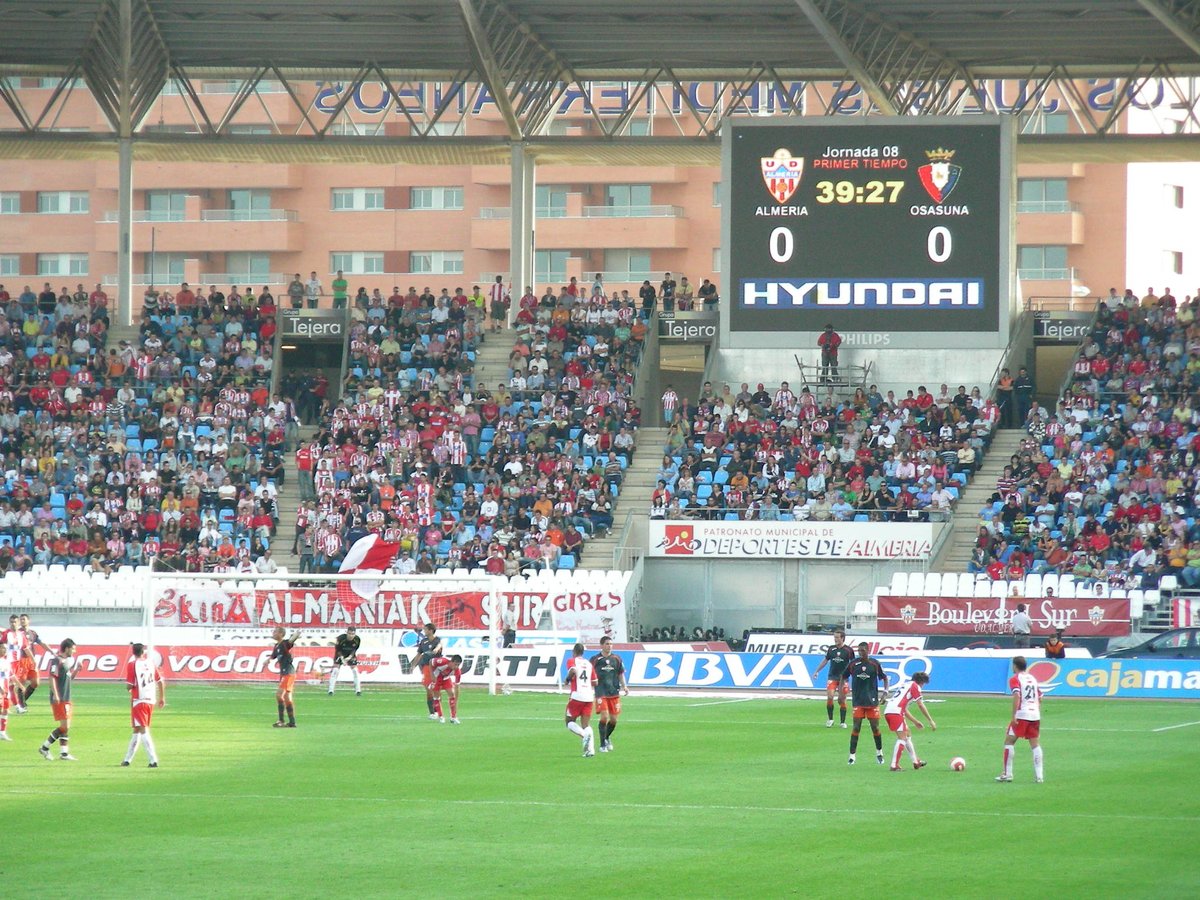
La Liga's mid-table clubs face mounting pressure to monetize academy products and fringe players simply to balance books.
Osasuna’s decision to transfer Iker Benito to Mexican club Querétaro for €500,000 might appear a modest transaction on the surface, but it reveals something crucial about how La Liga’s mid-table clubs navigate financial reality in 2026. By retaining a 50 percent stake in the player’s future economic rights, the Navarran side has executed a textbook modern transfer strategy—one that increasingly defines the competitive landscape beyond the elite six.
For Osasuna, this move represents pragmatic squad management. Benito’s departure frees up wages while preserving potential upside if the young talent flourishes in Mexico or returns to European football with enhanced value. It’s the kind of calculated risk that separates clubs operating sustainably from those hemorrhaging resources chasing European qualification.
But the broader implication cuts deeper. La Liga’s mid-table clubs face mounting pressure to monetize academy products and fringe players simply to balance books. While Real Madrid and Barcelona hoover up the continent’s best talent, sides like Osasuna must choose between investing in depth or selling to survive. This creates a talent drain that, over seasons, widens the competitive gap.
Querétaro gains a European-trained prospect at minimal cost, reflecting how Mexican football increasingly serves as a finishing school for players seeking first-team minutes or a pathway back to Europe. For Benito, it’s a calculated step—regular football in a competitive league, with Osasuna’s retained stake potentially enabling a return if circumstances align.
This transfer encapsulates La Liga’s current reality: mid-table sustainability depends on smart asset management, not ambition. The league’s health ultimately rests on whether clubs like Osasuna can maintain competitive squads while operating as talent incubators. Benito’s sale won’t dominate headlines, but it reflects the structural tensions reshaping Spanish football.
El Hincha