Peter Lim's Diminishing Passion: How Deals with Al-Khelaifi Threaten Valencia's La Liga Aspirations
Peter Lim's Diminishing Passion: How Deals with Al-Khelaifi Threaten Valencia's La Liga Aspirations
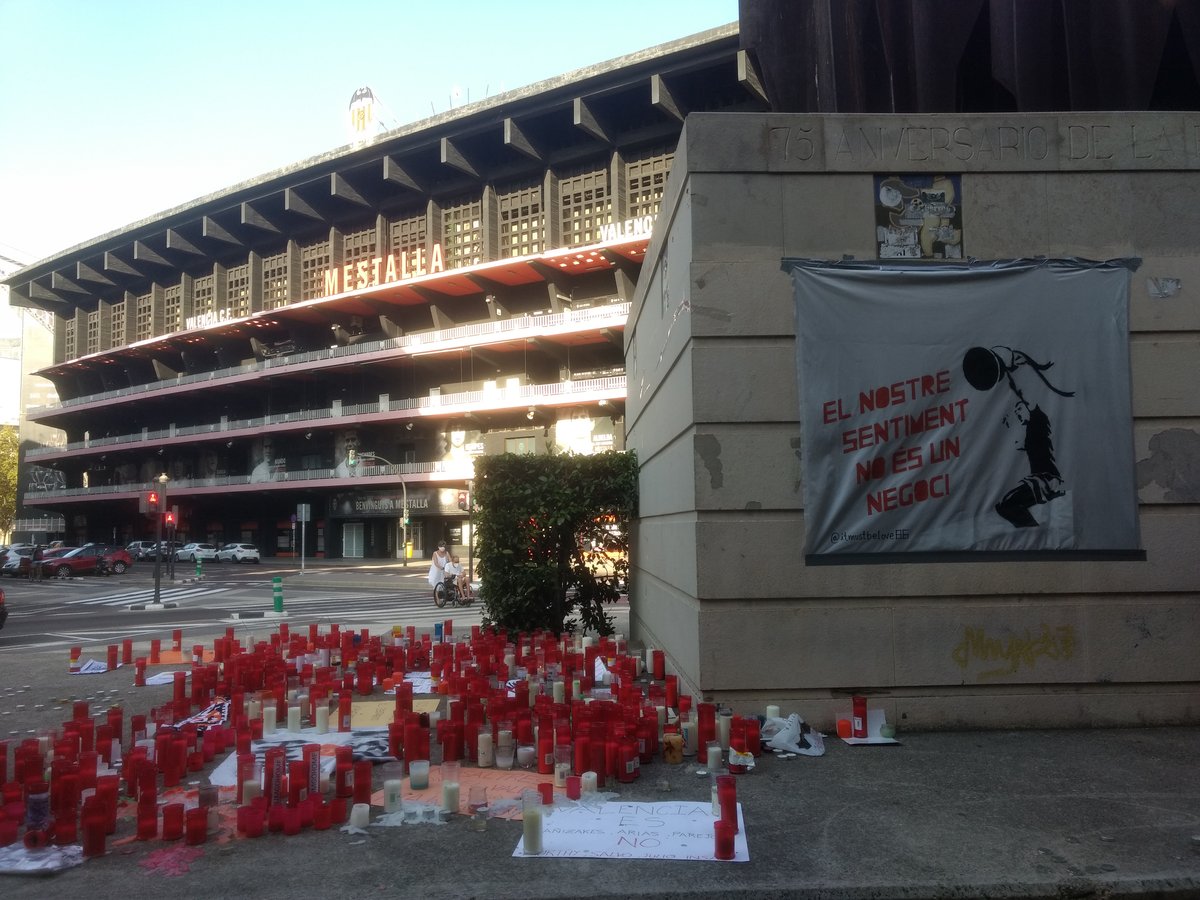
A man who once flew to Paris to negotiate personally for a winger has now outsourced his football interests to the periphery of his business empire.
The story of Peter Lim’s relationship with Valencia reads like a love affair that peaked too early. Once the Malaysian businessman who arrived with grand ambitions and direct involvement in recruitment—flying Gonçalo Guedes to Spain on his private jet in 2017, brokering the deal personally in Paris—Lim has gradually transformed into an absentee landlord. His dealings with Paris Saint-Germain’s Nasser Al-Khelaifi have become emblematic of a broader withdrawal from the club he once claimed to cherish, leaving Valencia adrift in an increasingly competitive La Liga landscape.
The Guedes acquisition was the high-water mark of Lim’s hands-on ownership. At that moment, Valencia had a proprietor willing to engage directly in negotiations, to invest his personal capital and credibility in building something meaningful. The Portuguese winger represented ambition—a player with European pedigree who could elevate Los Che back toward title contention. But that era feels like ancient history now. Since 2019, Lim’s presence has withered to almost nothing. The club that once benefited from an owner’s direct intervention has been left to navigate increasingly turbulent waters with minimal guidance or financial commitment.
What makes this trajectory particularly damaging is the timing. La Liga has undergone seismic shifts in recent years. The financial power of PSG, Manchester City’s dominance in Europe, and the consolidation of wealth among elite clubs has created an environment where mid-table Spanish teams cannot afford to drift. Valencia, with its storied history and geographic advantages, should be competing for European places annually. Instead, the club has become a selling operation—a development academy for other clubs’ ambitions rather than a destination for sustained competitive excellence.
Lim’s business activities with Al-Khelaifi tell a revealing story about where his true interests lie. PSG represents the modern football paradigm: unlimited resources, global brand-building, and the kind of financial architecture that allows for constant squad rotation and aggressive recruitment. These dealings suggest that Lim’s entrepreneurial focus has migrated away from Valencia entirely. He is networking in the elite tier of football ownership, exploring opportunities in the sport’s most lucrative markets, while his original investment in eastern Spain languishes.
The consequences are cascading through Valencia’s competitive structure. Without decisive ownership backing, the club has struggled to retain its best players. The academy, once a source of pride and revenue, now feels like a finishing school for other European clubs. The midfield lacks coherence, the defensive stability that characterized Valencia’s best periods has evaporated, and there is a palpable sense of drift in the institution. Players and staff understand that they are not part of a long-term project with genuine ambition—they are temporary custodians of an asset in which the owner has lost genuine interest.
This is not merely a matter of financial investment, though money clearly matters in modern football. It is about attention, strategy, and the intangible sense that someone at the top genuinely cares about winning. Lim’s minimal involvement since 2019 has created a leadership vacuum that no sporting director or manager can fully compensate for. Decisions about transfers, contract extensions, and tactical direction lack the kind of coherent vision that comes from an engaged ownership structure. The club operates in reactive mode, responding to circumstances rather than shaping them.
The broader context makes this withdrawal even more troubling. Valencia’s rivals in the mid-table battle have either stabilized their ownership situations or found proprietors willing to invest meaningfully in competitive infrastructure. Villarreal, despite their smaller size, punch above their weight because of organizational clarity and consistent strategic thinking. Athletic Bilbao’s self-imposed constraints are balanced by deep institutional roots and community ownership. Real Sociedad operates with a defined philosophy. Valencia, by contrast, exists in a state of uncertainty. Nobody knows what Lim genuinely wants from the club, because his actions suggest he no longer wants very much at all.
The question facing Valencia’s supporters and stakeholders is whether this situation can be remedied or whether it represents a terminal decline in the club’s competitive ambitions. Lim’s pattern suggests the latter. A man who once flew to Paris to negotiate personally for a winger has now outsourced his football interests to the periphery of his business empire. His involvement with Al-Khelaifi and the PSG orbit indicates that his networking and strategic focus have moved decisively upmarket, leaving Valencia to fend for itself in a league where competitive mediocrity is a slippery slope toward irrelevance.
For a club with Valencia’s history—three La Liga titles, a Copa del Rey, European Cup success in the 1980s—this represents a particular kind of tragedy. The institution has not collapsed due to corruption or incompetence, but rather due to the simple indifference of its owner. Lim’s passion, once evident in personal involvement and bold recruitment decisions, has been redirected elsewhere. Until that changes, or until new ownership arrives with genuine commitment, Valencia will remain trapped in a cycle of mediocrity, watching from the middle of the table as more ambitious and better-resourced clubs compete for the places that should be theirs by right.
El Hincha