Quique Celebrates Alavés' Safety: A Testament to Team Spirit and Hard Work
Quique Celebrates Alavés' Safety: A Testament to Team Spirit and Hard Work
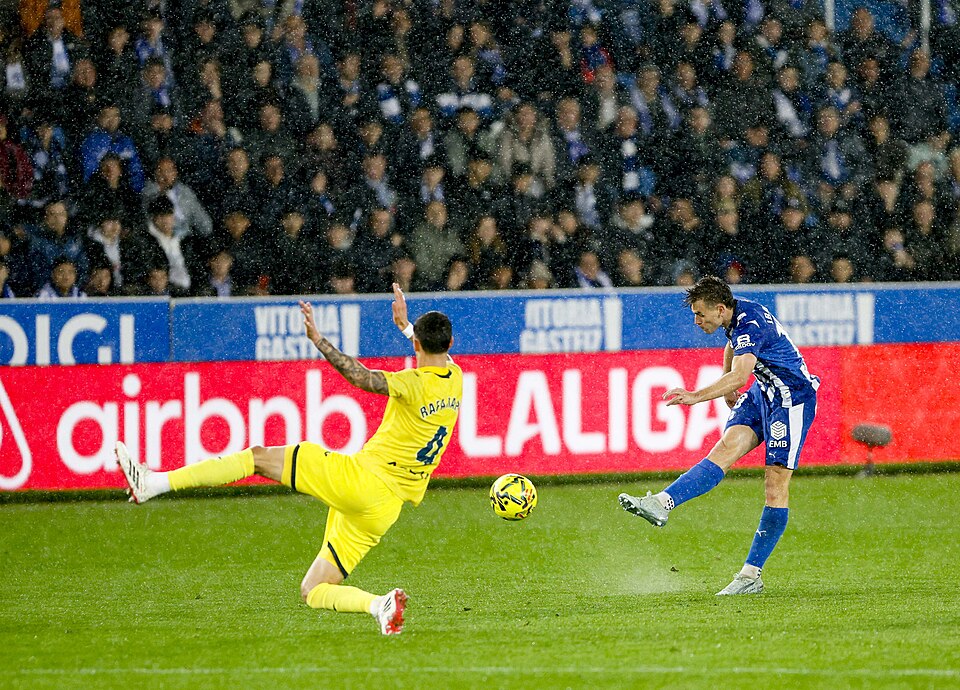
Stability, in the context of a relegation fight, is itself a form of excellence.
When Quique Sánchez Flores stood in the Carlos Tartiere on May 18, 2026, and confirmed that Alavés had secured their place in La Liga for another season, it was more than just a managerial soundbite. It was vindication—not just for the Basque club, but for everyone who believes that stability, collective effort, and genuine human values still matter in modern Spanish football.
The Alavés manager’s words—“El Alavés es un club con gente buena y la plantilla merece seguir en Primera”—carry weight precisely because they refuse to reduce a survival story to statistics or tactical adjustments. In a relegation battle where margins are measured in goal difference and hearts are measured in desperation, Quique’s emphasis on the human dimension of this achievement cuts through the noise. A club with good people. A squad that deserves to stay. These aren’t the platitudes of a manager buying time; they’re the reflections of someone who understands what it took to navigate the treacherous waters of a La Liga fight.
For Alavés, the path to safety has been anything but smooth. Positioned in the lower reaches of the table for much of the season, the Vitoria-based outfit faced the kind of existential pressure that can fracture squads, destroy morale, and turn boardrooms into battlegrounds. Yet what Quique has underlined—and what the team’s performance down the stretch demonstrated—is that cohesion and belief can be the greatest weapons when technical quality alone is insufficient.
This is where the bigger picture of La Liga’s relegation battle comes into focus. Every season, the league’s bottom three or four slots become a crucible that tests not just footballing ability but organizational integrity and mental fortitude. The clubs that escape—Alavés among them this year—are invariably those where the infrastructure holds firm. Where the manager has the board’s backing, where the players trust the process, and where the fans understand that their role is to lift rather than to destabilize. Quique’s satisfaction with his squad is a reflection of that alignment.
The relegation battle also serves as a lens through which to view La Liga’s competitive health. With giants like Real Madrid and Barcelona battling at the top, it’s easy for casual observers to miss that the tension at the bottom is equally compelling. Every point matters. Every decision reverberates. The clubs fighting for survival are not merely playing for pride or money—though both matter enormously—but for the viability of their institutions. Alavés’ safety is a relief not just for Vitoria but for the broader ecosystem of Spanish football, which depends on a rotating cast of challengers to maintain the league’s dynamism.
What makes Quique’s optimism particularly noteworthy is its authenticity. He didn’t claim to have performed miracles or to have revolutionized tactics overnight. Instead, he credited the collective—the organization, the players, the support structure. This humility is increasingly rare in football, where managerial ego often overshadows team achievement. By centering his remarks on the club’s culture and the squad’s deservingness, Quique has set a tone that could define Alavés’ trajectory moving forward.
Stability, after all, is the foundation upon which sustainable success is built. A club that has just escaped relegation faces a critical juncture. Do they panic-buy in the summer market, destabilizing the squad that fought for their lives? Do they lose key players to bigger clubs emboldened by their escape? Or do they recognize that the group that achieved safety together has proven its mettle and deserves investment and continuity? Quique’s comments suggest he’s thinking in the latter terms—that Alavés’ future lies in building on what has been established rather than dismantling it in search of quick fixes.
For La Liga, the implications are significant. A stable Alavés, secure in their place and confident in their identity, becomes a more formidable opponent for everyone else. They’re no longer a team playing with the desperation of the condemned but with the clarity of those who have earned their reprieve. That distinction matters more than most realize. It affects recruitment, retention, and the psychological profile of the club heading into the next campaign.
As May winds down and La Liga’s season reaches its conclusion, Quique’s words serve as a reminder that football is ultimately about people—their commitment, their values, their willingness to fight for something larger than themselves. Alavés has earned their safety not through luck or late-season heroics alone, but through the kind of grinding, collective effort that speaks to a club’s character. In a sport increasingly dominated by financial firepower and algorithmic recruitment, that achievement deserves celebration. It deserves to be recognized as something meaningful. And it deserves the kind of stability that will allow it to flourish in the seasons to come.
El Hincha