Sevilla's Crucial Overhaul: Time to Rebuild or Risk Relegation?
Sevilla's Crucial Overhaul: Time to Rebuild or Risk Relegation?
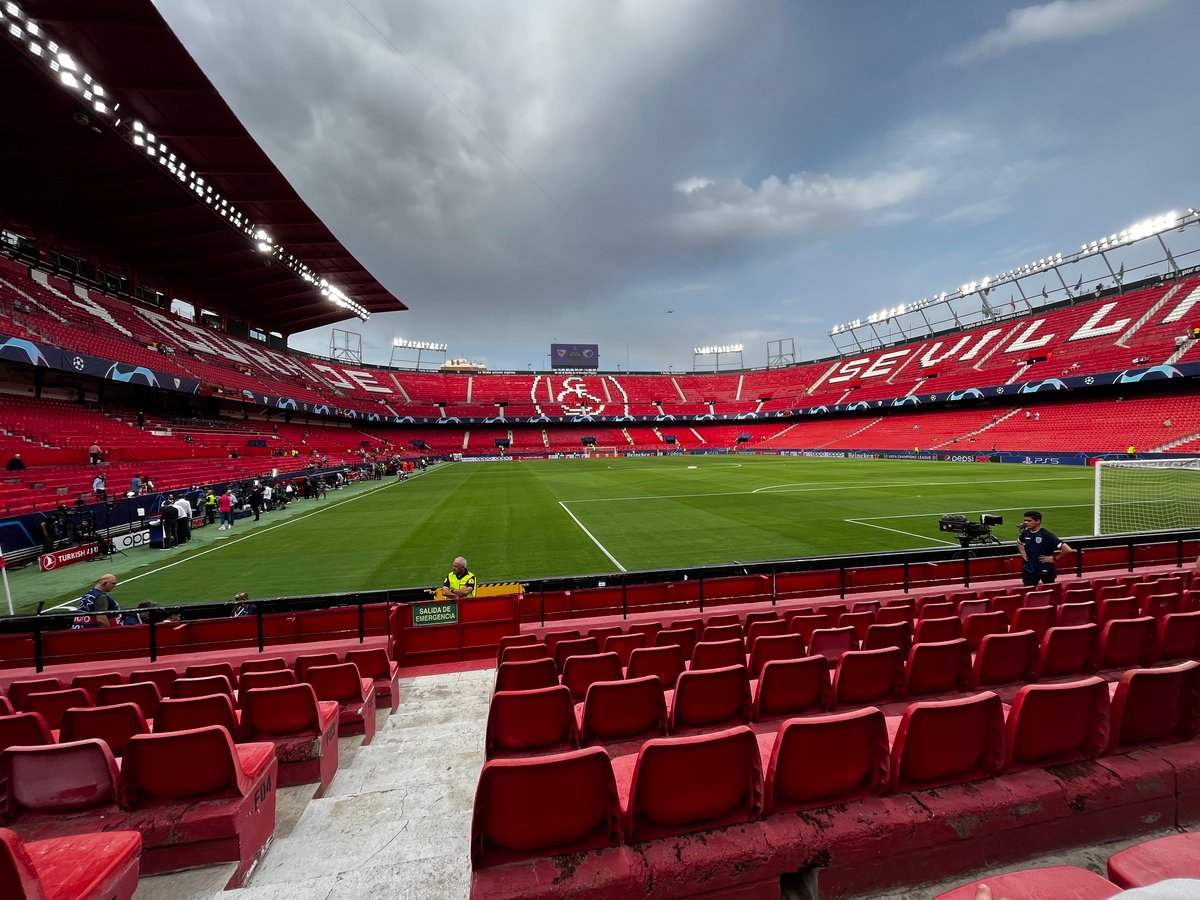
This is a club spending like a continental contender while performing like a mid-table struggle.
Sevilla stands at a crossroads. Once a club that competed for European places and won Copa del Rey trophies with regularity, the Andalusian outfit now faces an existential question: can it rebuild quickly enough to avoid the unthinkable? As the 2025–26 season closes and the dust settles on another disappointing campaign, the pressure to act decisively has never been greater.
The club’s trajectory over recent seasons tells a story of gradual decline masked by occasional flashes of brilliance. What was once a well-oiled machine under Lopetegui and Sampaoli has become a ship without clear direction. The boardroom has dithered while the playing squad has aged in place, and now Sevilla finds itself uncomfortably close to the relegation zone—a position that seemed impossible just five years ago. The mathematics are brutal: without urgent intervention, next season could see them fighting battles they should never have to fight.
The reconstruction must begin immediately, and it cannot be a half-measure. Sevilla needs clarity on its future structure, its financial position, and its sporting ambitions. Who will lead this project? What is the budget for rebuilding? Which players are untouchable, and which must be sold to generate funds? These are not rhetorical questions—they are survival questions, and every week of delay pushes the club further into crisis.
The playing squad requires wholesale renewal. Too many players have regressed; too many are on inflated wages that no longer reflect their market value. The club must identify which academy products can form a core and which established names must be moved on, regardless of sentiment. This is business, and Sevilla’s business model has broken down. A proper technical director with La Liga experience must oversee a ruthless audit of every player currently on the books.
Financially, Sevilla has limited room for error. The club cannot afford a fire sale that demolishes morale, but neither can it carry deadweight. Strategic sales—perhaps of a player or two with genuine resale value—could fund targeted signings in areas of genuine need. The market will be unforgiving; clubs will sense weakness and offer insultingly low bids. Sevilla’s negotiators must be sharp and patient, refusing to panic into bad deals.
The coaching position is equally critical. Sevilla needs a manager with a clear philosophy and the tactical acumen to get the best from a transitional squad. This is not a job for a big name seeking a comfortable final chapter; it requires someone hungry, someone willing to develop young players, someone who understands La Liga’s rhythm. The appointment will set the tone for everything that follows.
What cannot happen is another season of drift. Another campaign of hoping that things improve organically, that injuries clear up, that form returns. The margin for error has vanished. If Sevilla stumbles badly next season without having made substantive changes, relegation is not merely possible—it becomes probable. And once a club of Sevilla’s stature falls to the Segunda División, the psychological and financial damage takes years to repair.
The fans deserve answers. They have been patient through the decline, but patience has limits. They need to see a plan, a vision, a commitment to getting Sevilla back to competing for European places within a defined timeframe. This does not mean promises of immediate success—that would be insulting to their intelligence—but it does mean transparency about how the club intends to climb out of this hole.
Sevilla has the history, the infrastructure, and the market position to recover from this moment. But recovery requires action now, not next month, not next season. The board must move with urgency and purpose. The reconstruction begins immediately, or the risk becomes reality.
El Hincha