Sevilla's Goalkeeping Crisis: Urgent Overhaul or Recipe for Disaster?
Sevilla's Goalkeeping Crisis: Urgent Overhaul or Recipe for Disaster?
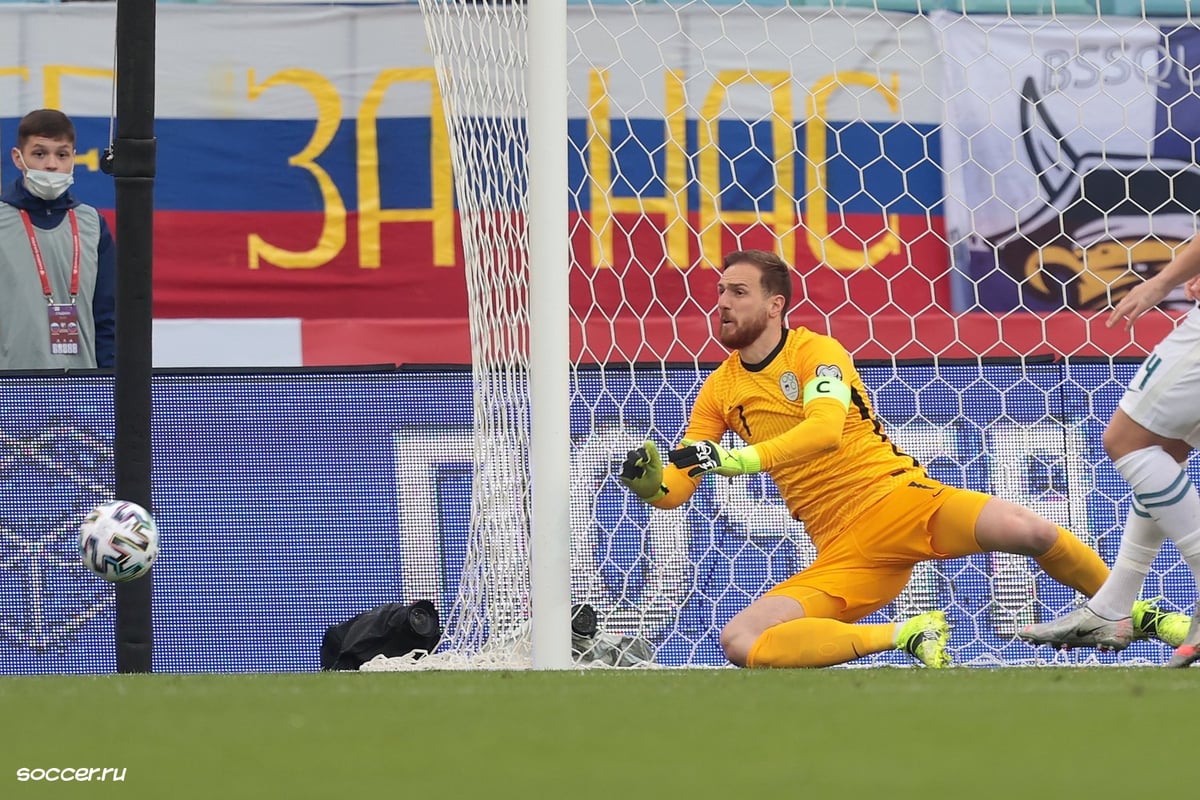
Sevilla cannot afford to drift through the summer, hoping for inspiration to strike. They must identify their target, move swiftly, and integrate their new goalkeeper into a squad that understands the weight of expectation.
Sevilla stands at a crossroads. The club’s decision to overhaul their goalkeeping department signals not merely a tactical adjustment but a fundamental reckoning with the direction of their La Liga project. As May turns to June and the transfer window beckons, the blanquirrojos face a stark choice: execute a surgical rebuild of their rearguard, or risk sliding further into mediocrity.
The timing could not be more precarious. Sevilla, a club synonymous with European pedigree and consistent top-four finishes, has spent the last eighteen months watching their institutional foundations crack. The goalkeeper position—traditionally the spine of any serious La Liga contender—has become symptomatic of a broader malaise. Errors, inconsistency, and a lack of command in the penalty area have compounded defensive frailties that no amount of attacking flair can mask.
What makes this moment critical is not merely that Sevilla needs a new goalkeeper. It is that they must do so under the twin constraints of financial limitation and competitive urgency. The club’s coffers are not bottomless. The days of splashing €30 million on a shot-stopper are long gone. This overhaul must be clever, economical, and immediate. There is no room for the lengthy integration periods or patient development cycles that characterize elite European recruitment. Sevilla needs results from day one.
The pressure is intensified by the competitive landscape. Real Madrid and Barcelona show no signs of slipping. Atlético Madrid, for all their inconsistency, possess a goalkeeper in Jan Oblak whose presence alone elevates their defensive posture. Real Sociedad and Athletic Bilbao have constructed credible alternatives to the traditional big three. For Sevilla to reclaim their position as a genuine threat in the title race—or even to secure Champions League football reliably—they cannot afford the luxury of a goalkeeper learning on the job.
The club’s recent history amplifies this urgency. Sevilla has won La Liga once in the modern era, and that success came nearly two decades ago. Their identity has shifted from champions to consistent contenders, a respectable but ultimately limiting status. To break that ceiling, they need goalkeepers who command respect, who organize defenses with authority, and who can produce the decisive intervention when the stakes are highest. The current configuration has failed to deliver on any of these fronts.
Yet the reconstruction must avoid the trap of panic buying. Sevilla’s recruitment department has been burned before by expensive mistakes and misaligned signings. The temptation to throw money at a recognizable name—a goalkeeper with a big reputation but questionable fit for La Liga’s specific demands—lurks around every corner. The smarter path is harder: identify a goalkeeper whose profile matches both Sevilla’s financial reality and their tactical philosophy, even if that means looking beyond the obvious candidates.
This could mean targeting a young talent from a smaller European league, someone with potential but unproven at the highest level. It could mean making a calculated bet on a goalkeeper from a struggling La Liga side, someone whose talent has been obscured by poor circumstances. It could even mean promoting from within if the academy has produced a prospect with genuine promise. The common thread must be clear-eyed assessment and ruthless prioritization of need over glamour.
The broader implication for Sevilla’s season cannot be overstated. A successful goalkeeper overhaul could be the catalyst that stabilizes their defense and allows their creative midfield and attacking options to flourish. Conversely, a botched recruitment process—whether through poor selection or inadequate integration—risks compounding their current crisis and potentially costing them European football altogether. For a club of Sevilla’s stature, that would represent a significant step backward.
What this moment demands is clarity of vision and decisiveness in execution. The blanquirrojos cannot afford to drift through the summer, hoping for inspiration to strike. They must identify their target, move swiftly, and integrate their new goalkeeper into a squad that understands the weight of expectation. The window is narrow. The stakes are high. The time for half-measures has passed.
Sevilla’s goalkeeping crisis is not merely a technical problem to be solved with the right personnel. It is a test of the club’s ability to make difficult decisions under pressure, to rebuild with limited resources, and to reclaim their status as genuine contenders. How they navigate these next weeks will define not just their 2026-27 season, but the trajectory of their ambitions for years to come.
El Hincha