Sevilla Shareholders Strike Back: 'Ramos Deceived Us!'
Sevilla Shareholders Strike Back: 'Ramos Deceived Us!'
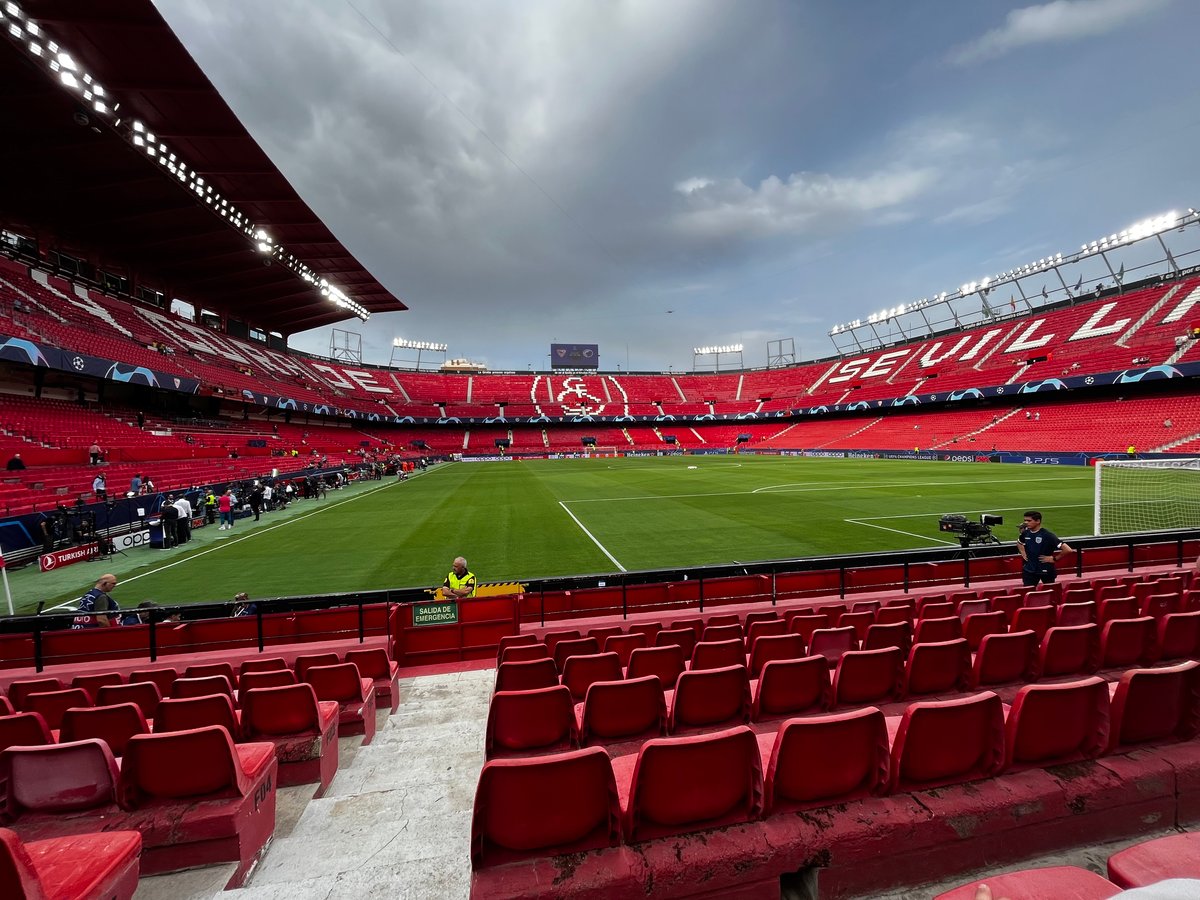
When your boardroom is at war, your dressing room knows it. And when your dressing room knows it, your league position suffers.
The boardroom coup at Sevilla has turned uglier than a Seville derby in the dying minutes. Five shareholding families—Castro, Guijarro, Carrión, Alés, and Del Nido Benavente—have fired off a letter that reads less like corporate correspondence and more like a declaration of war, accusing club president José Luis Ramos of outright deception in negotiations with supposed buyers. The implications are seismic: not just for the club’s immediate governance, but for La Liga’s competitive balance and the very question of who actually controls one of Spanish football’s historic institutions.
The letter, sent to the supposed purchasers and loaded with the threat of legal action, represents a fracturing of elite consensus at a moment when Sevilla can least afford it. These families didn’t claw their way to majority ownership over decades to be blindsided by what they’re characterizing as deliberate misrepresentation. The anger isn’t performative—it’s the kind that precedes injunctions, shareholder lawsuits, and the kind of institutional paralysis that cripples clubs in real time.
What makes this conflict particularly damaging is the timing and the stakes. Sevilla emerged from their recent financial restructuring with cautious optimism. The club needed stability, a clear vision, and leadership that could rebuild after years of instability. Instead, they’re getting a power struggle that will consume energy, distract the sporting director, and almost certainly create the sort of toxic environment where recruitment becomes impossible and player morale evaporates. When your boardroom is at war, your dressing room knows it. And when your dressing room knows it, your league position suffers.
The Castro, Guijarro, Carrión, Alés, and Del Nido Benavente families have legitimate grievances here. These aren’t outside agitators—they are Sevilla. Their names are woven into the club’s modern history. If Ramos has genuinely misrepresented the nature of negotiations or the terms under which a potential sale would occur, he hasn’t just made enemies; he’s handed them legal ammunition. The threat of denunciations isn’t idle posturing. In Spanish corporate law, misrepresentation in shareholder negotiations carries real consequences. This could escalate beyond the boardroom into the courts.
But here’s where it gets complicated for La Liga and for Sevilla’s competitive future. A protracted ownership dispute is a competitive disaster. Clubs need decisive leadership, especially at Sevilla’s level. They’re not Barcelona or Real Madrid, where institutional inertia can absorb some chaos. Sevilla operates on margins—of budget, of squad depth, of managerial continuity. Ownership chaos directly translates to sporting chaos. Who approves transfers? Who sets the wage structure? Who hires and fires the manager? In a fractured boardroom, these decisions either get made by committee (which is slow and often contradictory) or they don’t get made at all.
The broader question haunting this conflict is what Ramos actually promised and what he failed to deliver. If the families’ accusations hold weight, it suggests he may have negotiated in bad faith, perhaps overselling the legitimacy or seriousness of the supposed buyers, or misrepresenting the terms under which the sale would proceed. That’s not just a breach of trust—it’s a potential breach of fiduciary duty. The families have every right to be furious, and more importantly, they have leverage.
What’s particularly telling is that they’re going public with this. A shareholder dispute of this magnitude typically stays locked in private meetings and legal chambers. The fact that they’ve chosen to communicate openly with the supposed buyers and threaten legal action suggests they’ve lost faith in Ramos entirely. They’re not trying to negotiate quietly—they’re trying to blow the deal up and reassert control. That’s a nuclear option, and it suggests the relationships have irreparably fractured.
For Sevilla as a sporting entity, this is a nightmare scenario. The club needs to be thinking about their midfield, their defensive vulnerabilities, their strategy in the transfer market. Instead, the institutional energy is being spent on ownership battles. Managers become collateral damage in these fights. Recruitment gets delayed. Young players get nervous about the club’s direction. Veteran players wonder if they should push for moves. The competitive damage compounds quickly.
There’s also the question of whether this dispute damages Sevilla’s ability to attract investment or buyers in the future. If potential purchasers see a club where the ownership structure is fractious, where the sitting president allegedly operates in bad faith, where legal action is on the horizon—they’re going to move on to easier targets. The families may have protected their stake in the short term, but they may have simultaneously made the club less attractive to serious buyers down the line.
The path forward requires either a rapid resolution or a complete restructuring of the board. Ramos’s position looks increasingly untenable. Even if he wasn’t acting with deliberate deceit, he’s lost the confidence of the families who control the club. That’s a terminal diagnosis for any president. The question is whether his departure happens cleanly and quickly, or whether it gets dragged through courts and shareholder meetings, bleeding the club dry in the process.
Sevilla’s history is one of resilience and smart management within constraints. This moment tests that character. The families need to move decisively—either remove Ramos and stabilize the governance structure, or accept that the club’s competitive future is being mortgaged to an internal conflict. La Liga doesn’t wait for boardrooms to sort themselves out. The fixture list comes regardless, and clubs that are fighting themselves don’t win matches.
El Hincha