Valencia's European Dream Shattered: Seven Years Without UEFA Football
Valencia’s European Dream Shattered: Seven Years Without UEFA Football
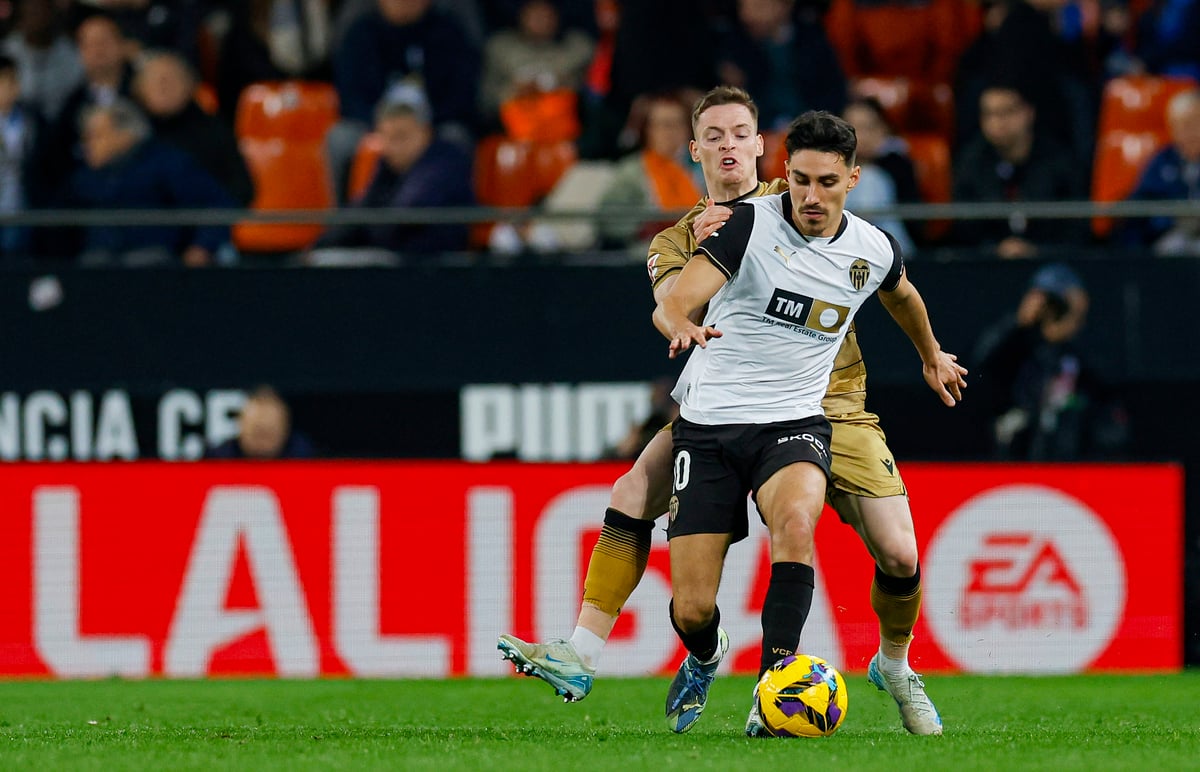
This is not a temporary stumble, the kind that befalls even the greatest institutions during transition years. This is systematic decline, the consequence of decisions made in boardrooms by people who either did not understand La Liga's ruthlessness or did not care enough to prevent it.
There is a particular kind of silence that descends on a stadium when history dies. Not the silence of defeat—that at least carries the possibility of redemption—but the silence of irrelevance. For Valencia CF, that silence has been deafening for seven consecutive seasons, a span of European absence so prolonged it has become something the club’s own supporters struggle to articulate without a tremor of disbelief.
Since first stepping onto the continental stage in 1961, Valencia had never endured such a drought. The club weathered relegation in the 1980s, that humiliating descent into the Segunda División, yet even then managed only six years away from European football’s embrace. To fall further now, in an era when La Liga’s elite are supposed to be untouchable, feels like a betrayal written in the language of administrative collapse and sporting negligence.
The numbers, of course, tell a story everyone in the Mestalla knows by heart. Seven seasons. Seven opportunities squandered. Seven campaigns where the Che faithful have watched other clubs—lesser clubs, in their estimation—parade themselves across European stages while Valencia remained tethered to domestic competition alone. It is not merely a sporting failure; it is a rupture in the club’s identity. Valencia, for decades, was European football. The two-time UEFA Cup winners. The team that reached consecutive Champions League finals in 2000 and 2001. The institution that defined Spanish football’s continental ambitions during the turn of the millennium.
What makes this moment so corrosive is not just the length of the absence, but what it represents about the club’s trajectory. This is not a temporary stumble, the kind that befalls even the greatest institutions during transition years. This is systematic decline, the consequence of decisions made in boardrooms by people who either did not understand La Liga’s ruthlessness or did not care enough to prevent it. The managerial merry-go-round, the recruitment strategies that seemed to prioritize cost-cutting over quality, the institutional instability that saw the club lurch from one crisis to the next—all of it has accumulated into this seven-year purgatory.
For the supporters who remember the Tino Asprilla era, who watched Mendieta glide across midfields, who celebrated those European nights when the Mestalla felt like the center of the football universe, this prolonged absence is almost unbearable. They have watched Real Madrid and Barcelona hoard European trophies. They have seen Atlético Madrid rebuild itself into a continental force. They have observed smaller clubs—Sevilla, Real Sociedad, even Athletic Bilbao in recent memory—secure European football with consistency. Yet Valencia, with all its history, all its infrastructure, all its claim to be among Spain’s traditional powers, cannot seem to muster the coherence required to finish in the top six.
The irony cuts deep. Valencia possesses the stadium, the academy, the city, and the football culture necessary to compete at Europe’s highest level. What it lacks is clarity of purpose. The club has cycled through ownership structures, management philosophies, and sporting directors with the frequency of a carousel, each new arrival seemingly unaware of the mistakes made by their predecessors. This is not a problem that can be solved by a single brilliant signing or a charismatic new manager. This is institutional rot, the kind that requires wholesale reimagining.
Yet perhaps—and here the eternal optimism of the tertulia must assert itself—this nadir could become a turning point. Institutions that have fallen before have risen again. The question is whether Valencia’s leadership possesses the vision, the patience, and the ruthlessness required to rebuild. It will not happen overnight. Seven years of absence cannot be reversed in a single transfer window or one successful season. But it must begin somewhere, with decisions that prioritize long-term stability over short-term panic, with a recruitment strategy that builds rather than merely patches, with a commitment to the academy that has historically been Valencia’s greatest asset.
The supporters deserve better. The history demands better. And the club, if it is to reclaim any semblance of its former standing, must finally acknowledge that the current path leads nowhere but further into the darkness. Seven years without Europe is not a statistic. It is a warning.
El Hincha