Villarreal Says Goodbye: Atlético Secure Third Place with Draw Amidst Player Farewells
Villarreal Says Goodbye: Atlético Secure Third Place with Draw Amidst Player Farewells
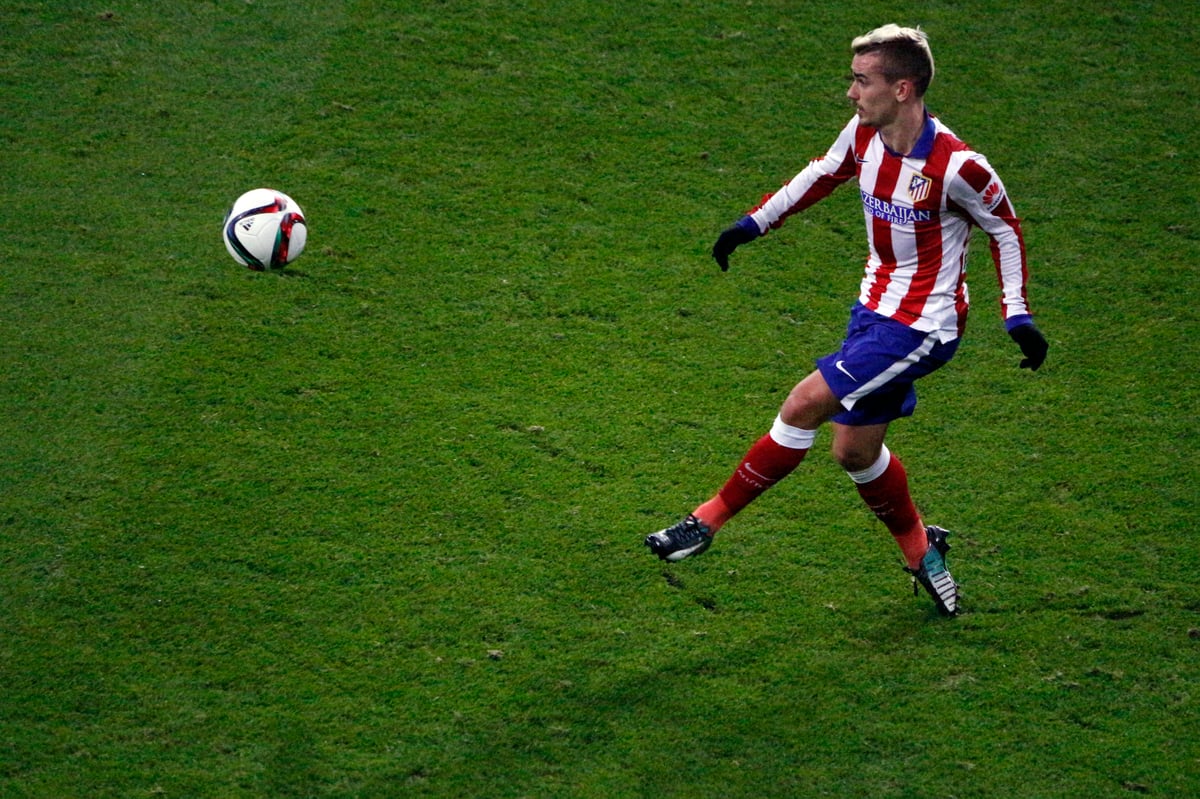
Spanish football has always been more than just results and standings; it is deeply embedded in narratives of loyalty, identity, and cultural meaning.
The final day of La Liga’s 2025-26 season brought the kind of bittersweet theatre that only Spanish football can manufacture. At Villarreal’s Estadio de la Cerámica, an entire era came to a close as four pillars of the club’s recent identity walked away, while simultaneously, Atlético Madrid clinched the third-place finish they desperately needed with nothing more than a draw.
This was never going to be a match decided by tactical brilliance or attacking flair. For Atlético, a point was enough—the mathematics were unforgiving but clear. Third place, with all its Champions League riches attached, required only that they didn’t lose. For Villarreal, meanwhile, the result was almost secondary to the farewells being staged around them. Griezmann, Parejo, Pedraza, and manager Marcelino were all departing, their final appearance in red and yellow transforming what might have been an ordinary mid-table fixture into something approaching a state funeral.
The emotional weight of these departures cannot be understated in the context of Spanish football culture. Villarreal has built its identity in recent years around a core of experienced, intelligent players who understood the club’s philosophy and limitations. Parejo, the metronome in midfield, leaves after years of dictating tempo and controlling matches with the kind of understated brilliance that doesn’t always register on the highlight reel. Pedraza, the left-back who provided both defensive solidity and attacking threat, has been a constant in the backline. Griezmann’s presence, even in a reduced role, carried weight beyond statistics. And Marcelino, the manager who restored order and consistency to the Yellow Submarine, departs having stabilized a club that had drifted through turbulent waters.
For Atlético, however, this emotional narrative was secondary to hard mathematics. Third place in La Liga represents approximately seven million euros in additional UEFA coefficient prize money—not a fortune, but meaningful for a club that operates with considerably less financial firepower than Real Madrid and Barcelona. More importantly, it guarantees Champions League football next season, the competition through which Atlético has always defined itself since their resurrection under Diego Simeone. Finishing fourth would have been a catastrophe by their standards, however unfair that assessment might seem to clubs lower down the table.
The draw served its purpose perfectly. Atlético got what they came for, a point that secured their podium finish and the financial and competitive benefits that accompany it. There was no need for drama, no requirement to push for three points when one would suffice. This is the kind of pragmatism that defines modern Spanish football at the highest level—the recognition that not every match demands the same intensity, that sometimes a draw is a victory dressed in different clothes.
For Villarreal, the result barely registers in the context of what was unfolding around them. A club that has spent the season rebuilding after years of European success and domestic disappointment faced the reality that their recent period of relative stability was ending. The departures of Parejo and Pedraza represent the loss of institutional knowledge and reliability. Griezmann’s exit, while perhaps less surprising given his age and injury history, still marks the end of another chapter in a career that has touched multiple Spanish clubs. Marcelino’s departure is perhaps the most significant, as managers shape club culture in ways that individual players cannot.
What makes this final day particularly resonant is how it reflects the broader rhythm of La Liga itself. Spanish football has always been more than just results and standings; it is deeply embedded in narratives of loyalty, identity, and cultural meaning. A draw between Villarreal and Atlético on the final day might seem like a footnote to outsiders, but within Spanish football circles, it represents the collision of two very different stories—one of ending and reflection, the other of survival and advancement.
Atlético’s third-place finish should not be viewed as a disappointment, despite the club’s historical ambitions. They remain competitive, financially stable, and capable of competing for titles in the seasons ahead. The draw achieved its objective, and that objective was sufficient. For Villarreal, meanwhile, the focus must now turn toward rebuilding, toward finding the next generation of players and the next managerial voice to guide them forward.
The final whistle at the Estadio de la Cerámica marked not just the end of a season, but a turning point for both clubs. Atlético moves forward with their Champions League football secured. Villarreal moves forward without some of the voices that have defined their recent years. Both outcomes are outcomes nonetheless, and in the relentless cycle of Spanish football, that is often enough.
El Hincha