European Dreams: Celta, Getafe, Valencia, Rayo, and Espanyol Battle for Final Spots
European Dreams: Celta, Getafe, Valencia, Rayo, and Espanyol Battle for Final Spots
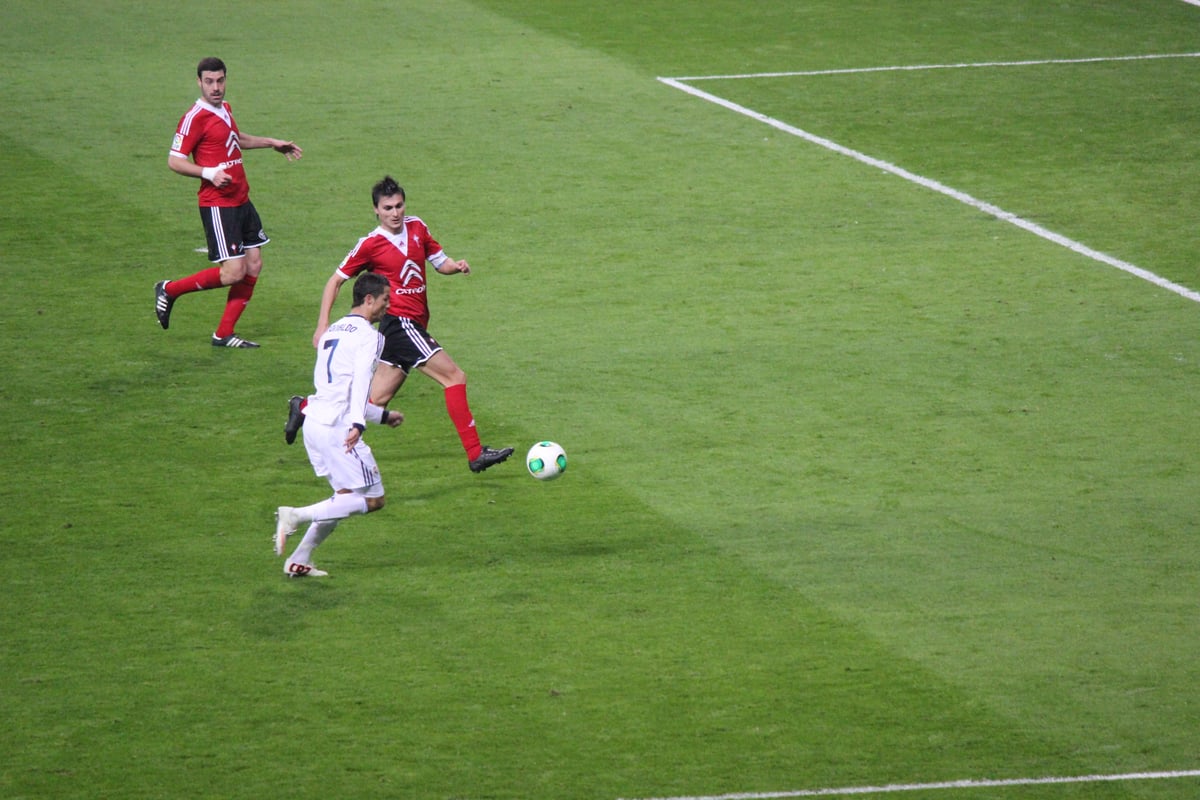
Direct competition between these sides carries double significance: victories provide three points while simultaneously denying opponents the same tally, effectively creating six-point swings in the relative standings.
The mathematics of European qualification in La Liga have compressed into their most consequential phase. With the regular season entering its final stretch, five clubs remain locked in a competition for the two remaining European berths—positions seven and eight that lead directly to the Europa League and Conference League respectively. The gap separating these teams is negligible, the remaining fixtures brutal, and the margin for error nonexistent.
Celta Vigo, Getafe, Valencia, Rayo Vallecano, and Espanyol occupy the contested ground between genuine continental ambition and the prospect of a domestic-only summer. Current standings place these sides within five points of one another, a distribution that reflects both the quality of their performances and the unpredictability that defines mid-table La Liga football. Each possesses the tactical infrastructure and squad depth to sustain a European campaign, yet none has demonstrated the consistency required to separate themselves decisively.
The structural problem facing this quintet is straightforward: limited separation in underlying metrics. Expected goals data across their recent fixtures suggests comparable attacking efficiency, while defensive solidity remains inconsistent across the group. Pressing intensity maps reveal similar trigger points and coverage gaps. What distinguishes them operationally are fixture calendars, injury status, and the psychological weight of consecutive outcomes. A three-match winning streak can elevate a club from sixth to fourth; a single defeat against a relegation-form opponent can reverse that momentum entirely.
Celta’s pathway involves maximizing home advantage while navigating away fixtures against sides with different tactical priorities. Their possession-based approach generates consistent xG output, though conversion rates have fluctuated. Getafe operates through a more compact defensive structure, accumulating points through controlled risk—a model that functions effectively against attacking opponents but occasionally yields draws against passive counterparts. Valencia possesses the most volatile underlying performance profile, with matches displaying extreme variance in shot creation and defensive organization. Rayo Vallecano’s pressing system generates high-intensity sequences, but sustainability over 90 minutes has proven problematic. Espanyol’s recent trajectory suggests organizational improvement, though their fixture difficulty rating remains notably higher than competitors.
The remaining schedule presents asymmetric challenges. Clubs facing relegation-form opponents possess genuine opportunities for point accumulation, yet paradoxically these matches carry elevated psychological risk—the upset possibility that derails qualification hopes. Conversely, fixtures against title contenders and European-qualified sides offer limited scoring opportunity but occasionally yield defensive solidity and confidence-building performances through organized resistance.
Point projections based on current form suggest the qualification line will settle between 65 and 72 points, depending on outcomes in head-to-head matchups among the five contenders. Direct competition between these sides carries double significance: victories provide three points while simultaneously denying opponents the same tally, effectively creating six-point swings in the relative standings. The clustering of these matches across the final weeks could prove decisive in determining which clubs reach European football and which enter a domestic summer.
Managerial decision-making will prove critical in the coming fixtures. Squad rotation must balance the need for consistency with injury management—a calculation that becomes increasingly complex as fixture congestion increases. Tactical adjustments in response to opponent selection will reward flexibility; clubs maintaining rigid systems face vulnerability to teams that identify and exploit positional weaknesses.
The competitive intensity within this group reflects La Liga’s depth beyond the traditional elite. These five clubs represent genuine quality: established academies, experienced squads, and coaching structures capable of competing in European competition. The fact that European qualification remains undecided this late in the season underscores the parity that has characterized this particular campaign.
For supporters of these clubs, the remaining weeks offer both genuine hope and legitimate anxiety. European football represents not merely prestige but tangible financial and sporting benefits—increased revenue from continental competition, enhanced recruitment possibilities, and the competitive experience that develops squad maturity. The stakes are consequently substantial, though the outcome remains genuinely uncertain.
The race will resolve through execution: which clubs convert their chances with precision, which maintain defensive organization under pressure, and which navigate the psychological demands of consecutive high-stakes fixtures. Data suggests competitive balance; outcomes will determine which teams claim the available European places and which face domestic football exclusively in the coming season.
The Analyst